
The Transformative Moment
RT: Mimi, you’ve been called a global empathy advocate. For many, empathy feels like a soft skill, but you position it as a core leadership strength. What was the moment or experience in your career that solidified empathy as the central pillar of your mission?
Mimi: In 2019 a business coach asked me a question that changed my life. Upon discussing my leadership style with her, she asked me whether my initial definition of “instinct”, as core to my approach, was in fact correct, or whether perhaps it was instead ‘empathy’ that I was using. At the time I didn’t believe it could be but the work that followed allowed me to discover the Empathy Deficit and the power of empathy in leadership. I found a host of data surrounding the gaps that occur when empathy is low (disengagement, demotivation, mental health concerns and even suicide) and once I knew the data, there was no turning back. I had a deep sense that I was meant to be part of the solve and I began writing, teaching and advocating for more empathy in teams, workplaces and our world.
You’ve Traveled To How Many Places!?
RT: That is a butterfly effect if I’ve ever heard one! It’s great to hear about your “origin story”, so to speak. Your journey has spanned multiple continents and cultures, from advertising agencies in London to leadership roles in the Middle East and beyond. How has navigating these diverse environments shaped your understanding of empathy in the workplace?
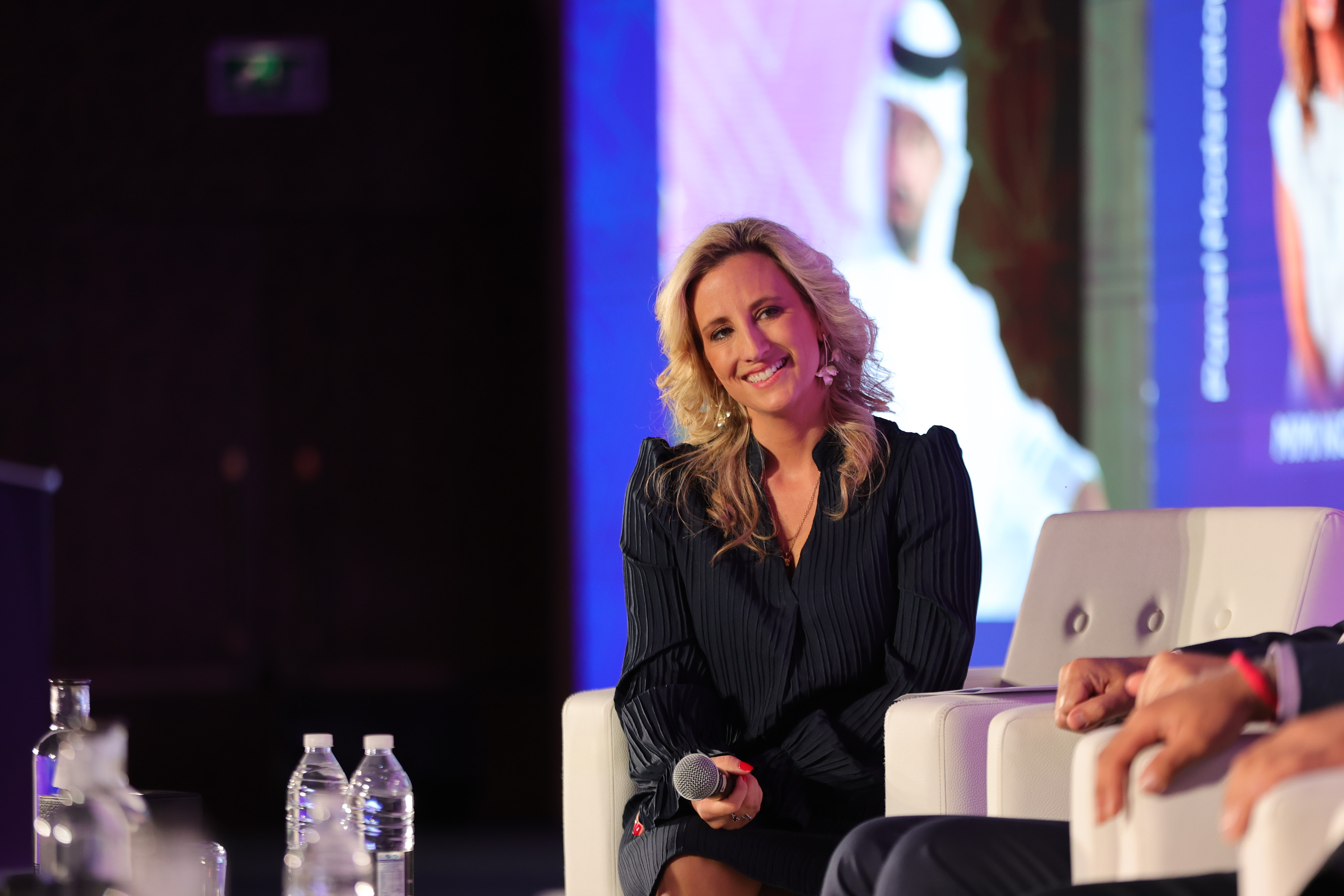
Mimi: From a young age my superpower was listening to people - and particularly mastering this with people unique to me. Different ages, cultures, backgrounds - people fascinated me and I naturally wanted to hear these views, their persecutive and their opinions. As I worked across markets - almost 25 to date - I kept listening. I realised that the more I listened, the more I learned and even more importantly the more rapport and trust I could build - and therefore momentum. When people feel heard they reach their potential more quickly, more effectively and more sustainably. As I saw this from market to market and culture to culture, I realised I must be onto something. Empathy was a superpower.
The Empathy Defecit
RT: Listening is so important. That is impressive that you’ve worked across 25 markets globally! It seems the common theme all across the world is, people want to feel heard. You often speak about the ‘Empathy Deficit’ in corporate culture. Do you think it’s possible to reverse this deficit in today’s profit-driven world? If so, how?
Mimi: I do, Robert, I really do. Filling the deficit has no connection to making less profit - in fact the opposite is true. The data shows us that the more empathy we have the more profit we make - 23% higher in fact. We see motivation, morale, performance, loyalty all increase. We see innovation go up and creativity improve. The quicker the world recognises the need to reconnect our workplaces in understanding of each other, the quicker we will find our way to balancing humanism and capitalism. That’s to say driving ever higher success whilst reconnecting our teams to purchase, and each other, at the same time.
Empathy is a Skillset
RT: That’s pretty interesting to hear that empathy actually increases profit for organizations. So it’s actually a business driver. I also appreciate the callout to balancing humanism and capitalism. Empathy, especially in leadership, often requires vulnerability. Can you share a time when embracing your vulnerability helped you grow as a leader or connect more deeply with others?
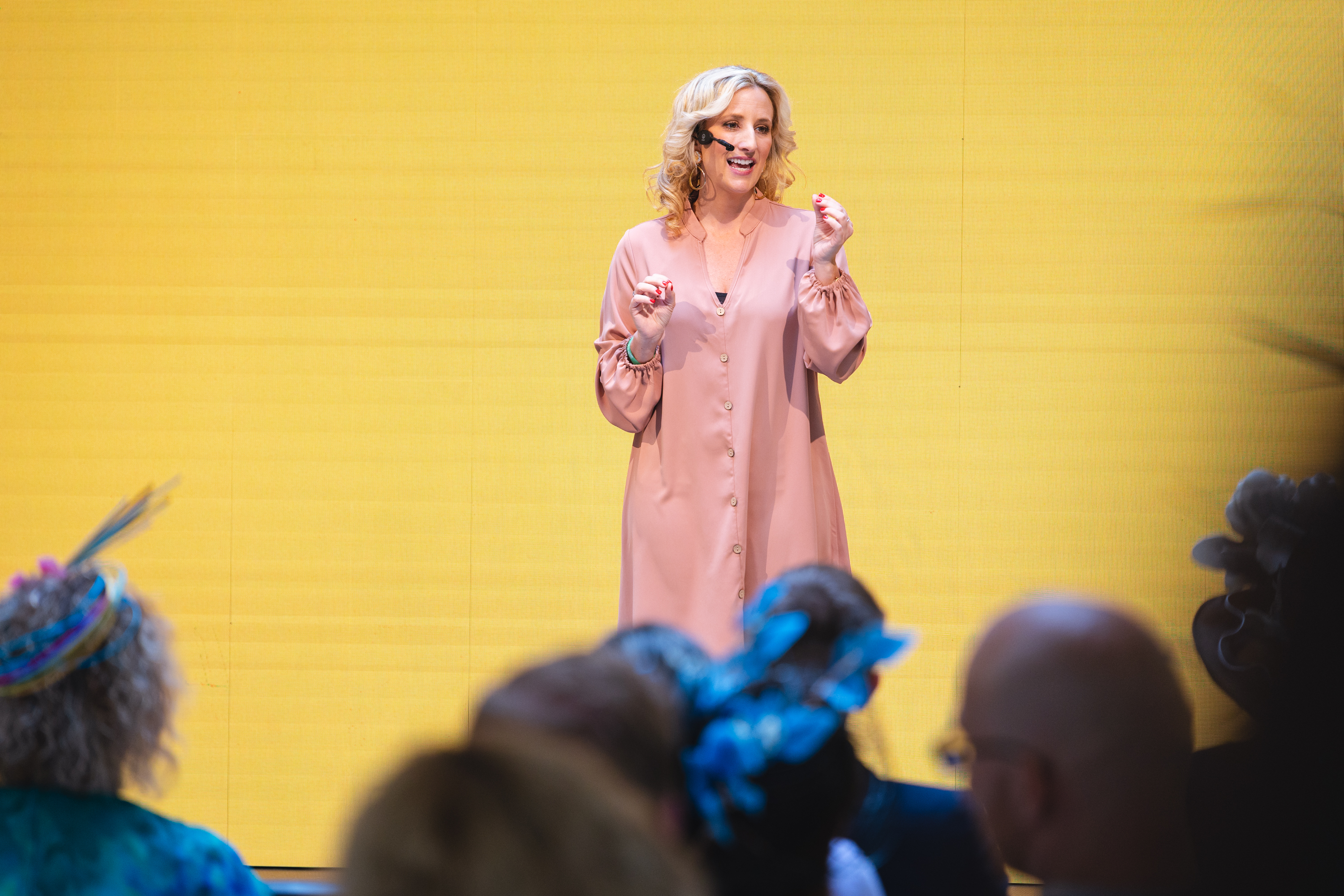
Mimi: The honest answer here is that I don’t think empathy does require vulnerability. Empathy is a skillset and a data set. Using this skill to understand others, to truly listen to them, to see their perspective and value, doesn’t make me vulnerable, it makes me ‘powerful.’ It means I can connect to my team, lead people with intention and understand how to drive performance for sustained success. There is nothing vulnerable about using data to succeed.
Slowing Down To Stay Grounded
RT: Wow that’s enlightening, thanks for teaching me something new! I love your frame there that empathy makes you feel powerful. We live in a world filled with distractions—technology, stress, and information overload. How can individuals cultivate empathy in such an environment? Do you have any personal practices or rituals that help you stay grounded?
Mimi: I think the key is to slow down. I often tell my clients and teams the same thing. If you don’t slow down, how will you ever have the time to really reflect on what you want, or what others need? Life is so fast and it is only in our ability to slow down and use our Self Empathy to get to know ourselves - and each other - that we can ever have an accurate sense of what the path ahead should be. This is both empowering and liberating.
Teaching Kids Emotional Intelligence and Empathy
RT: Slowing down is key, in business and in life. You’ve written about empathy being essential not just in business, but in broader society. If you could design a course for children and teenagers focused on emotional intelligence and empathy, what would that look like?
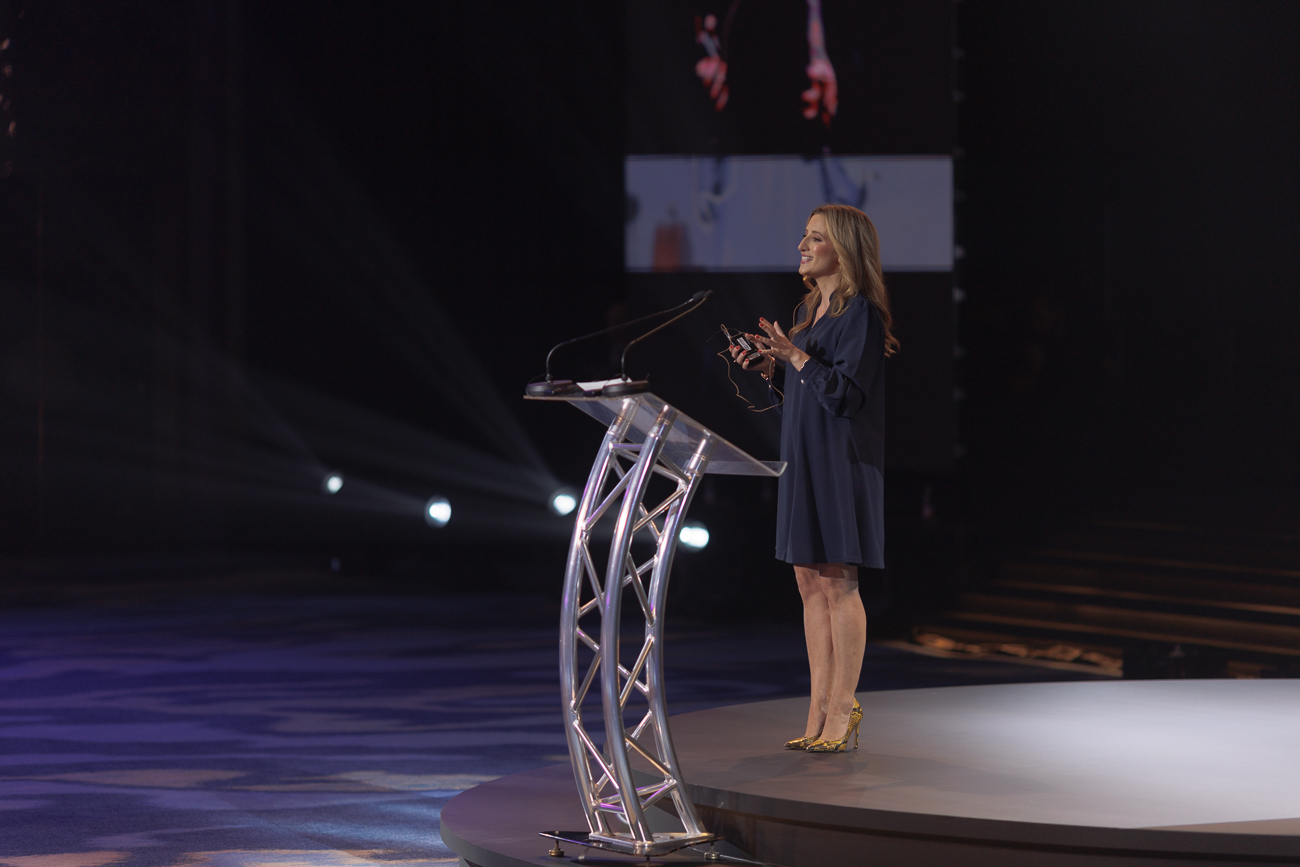
Mimi: Interestingly I have just created one. It is for primary school aged children - 4-12 years -and it is called *‘Do You See Empathy?’ *The course focuses on helping children recognise, identify and relate to others - to use the power of their imagination to put themselves in the shoes of their friends, families and teachers and to help them identify what these different perspectives look like. Research shows that schools that integrate empathy education demonstrate a 21% decrease in instances of exclusionary & bullying behaviour and WHO data shows that empathy education contributes to a 17% reduction in hostile interactions & 18% increase in pro-social behaviour. Plus according to the National Empathy Index, schools that cultivate empathy skills see a 40% increase in positive relationships. A win win all round. The curriculum is free to all social and public schools and teachers.
Empathy and Storytelling
RT: Amazing to hear about your course! It sounds like every school should ideally integrate empathy education in their curriculums. I’ll add a link to it, in the article. Empathy is such a win win. With your background in advertising, you’ve seen firsthand how storytelling can be used to shape narratives. How can leaders use storytelling to build more empathetic workplaces?
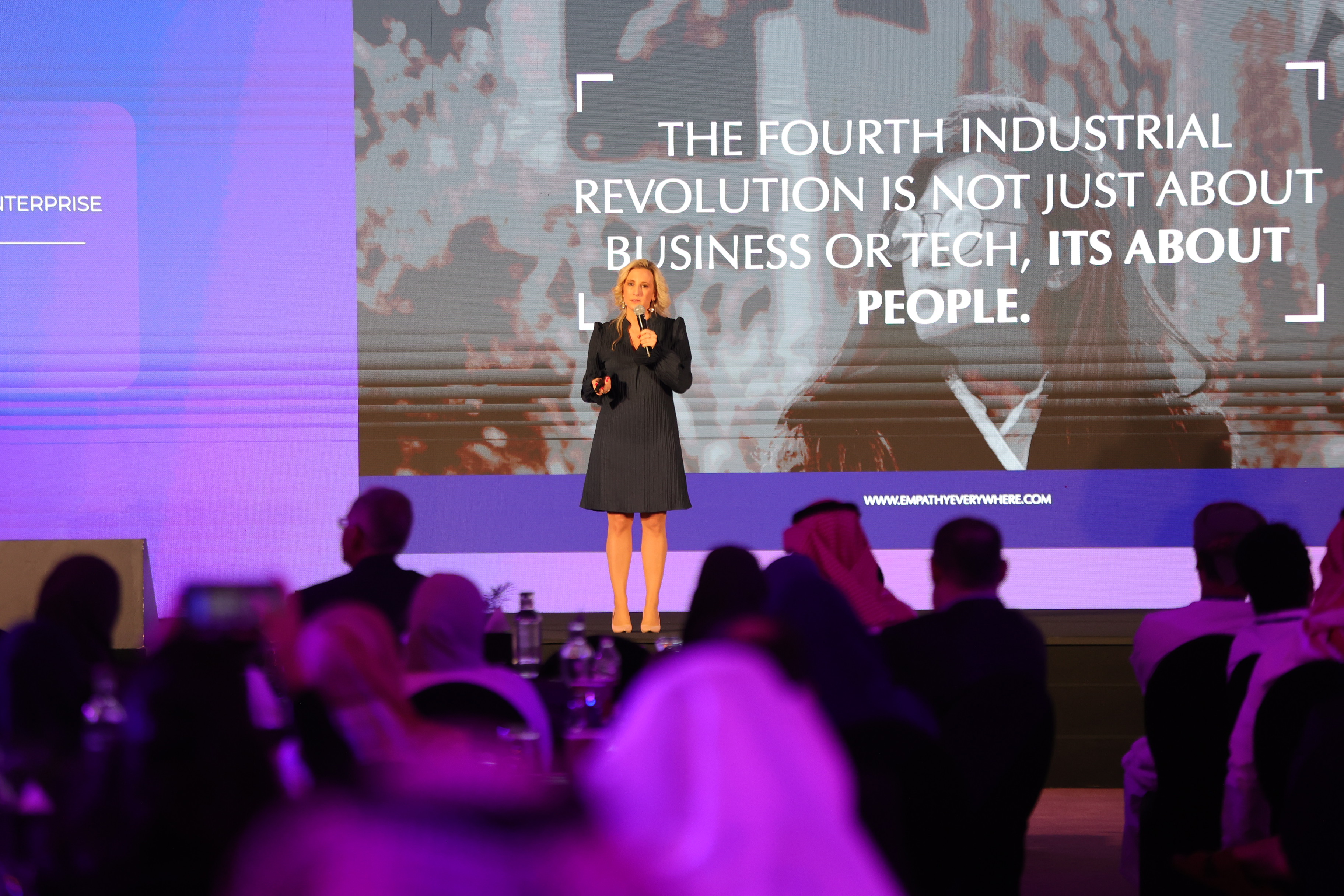
Mimi: Stories are based on empathy at their very core. Perhaps this was what drew me to advertising in the first place. The most powerful stories are those that connect to someone else’s lived experiences and realities. I find that as a leader, storytelling is the most efficient and effective way to connect with your team - to bring them into the wider context and to encourage buy in and trust. When data, or a specific corporate reality, is presented within a wider story it becomes far more acceptable and understandable for diverse team members to embrace. In the end if they can follow the story, they are more likely to confidently follow you.
Challenges & The Comfort Zone
RT: I do believe as humans we are hardwired for stories at this point. That’s very cool that your core skill of storytelling cuts through all of the roles you play. As a bestselling author and a leader of change, your words inspire many. What’s a piece of advice or a lesson you’ve learned recently that surprised you, and how has it impacted your approach to empathy?
Mimi: You are very kind to say so. Thank you. I have learnt that great success - or any level of sustained success - never comes from a comfort zone. That challenges and barriers are there exactly to push you forward and to be somewhere further along the path. I never fully understood the phrase “success favours the bold” until I became an entrepreneur but today it is my greatest lesson. To be brave is to progress and my empathy journey has only managed to come this far because I am now confident in constantly putting myself outside of my comfort zone.

Continue reading
Get the full newsletter, free.
Join founders and builders who read Self Aligned every week.
Thoughts On Tangible Empathy
RT: “Success favours the bold!”—I love that! Thanks for sharing that. Now, you’ve spoken about the importance of ‘tangible empathy,’ where action accompanies words. What’s one practical step organizations can take tomorrow to foster more empathy within their teams?
Mimi: I would say that training - or simply, embracing - Active Listening is critical. How can you ever understand each other if you don’t first listen? We can have all the employee engagement survey’s or DE,&I policies available, but if they are not based on listening we will never know if they are actually relevant to those they aim to support and elevate. The easiest way to do this, for every leader, is to bring awareness to the quality of listening and ask yourself in the moment, “am I listening to really understand this person, or simply to reply to them?” This question is foundational in driving awareness as to how often you are actively listening versus passively sharing space.
What’s Your Vision For The Future?
RT: Listening is key, and you’re right that the surveys don’t really matter unless we get at the core of the problem. Finally, as someone who has been at the forefront of the empathy movement, what’s your vision for the future of empathy in both personal and professional spaces? How do you imagine a truly empathetic world?
Mimi: I would love to see us slow down the loneliness epidemic in our lifetime. As it stands, we are allowing the empathy gaps - the gaps between us which often surface as fear, violence, aggression or any of the ‘isms’ (racism, ageing, sexism) - to continue to widen. I have a great belief in Gen Z being committed to closing these and reconnecting our world. Empathy is a choice. You can choose to listen to someone. You can choose to make eye contact and to actively engage in the boardroom, in the street, in a taxi, or at home. You can ask questions and wait for the answers. Empathy is entirely within your grasp. Next time you are in a coffee shop, pause and make eye contact with the barista. Ask them how they are and mean it— you will see that they will stop in their tracks to look at you. A connection will be made. You may never know the impact of this moment, but you can bet it won’t be wasted. This is the world I see for us all.
Thank you Robert!
Wow! What a great interview.
It is inspiring to hear about Mimi’s dedication and passion to increasing empathy everywhere, in such detail. I feel grateful and privileged to hear about her journey, and now others can too!
Want to hear more from Mimi?
LinkedIn: Connect with her for great posts about empathy!
Website: Check out more about Mimi on her website.
Newsletter: Join her Empathy Everywhere Newsletter.
Podcast: Listen to Mimi’s podcast on Creating Empathy.
If you’re a person looking to up their empathy, Mimi’s work is for you!
If you’re a company looking for the person that can teach your teams the skillset that makes the world better and helps you win at business, check her out!
P.S. Check out some of her talks—talk about inspiring!
**P.S.S. **Want reminders on growth, empathy, and leadership? Follow me, Robert Ta, on LinkedIn, Threads, and Twitter.