
“When I started Brainmates, we were about 15 years ahead of the market…”
Adrienne: I try to live life fully—not just by keeping busy, but by constantly seeking new experiences. Every few weeks, I challenge myself to try something I’ve never done before. I’ve attempted aerial silks, rock climbing, boxing, and Zumba, just to name a few. This approach carries over into my work as well. I want to experience it fully, learn, and adapt. If I had to pick something I’m most proud of, it would be resilience and adaptability. When I started Brainmates, we were about 15 years ahead of the market, which made things tough financially. But we persisted, and now, seeing Brainmates mature and thrive is incredibly rewarding.
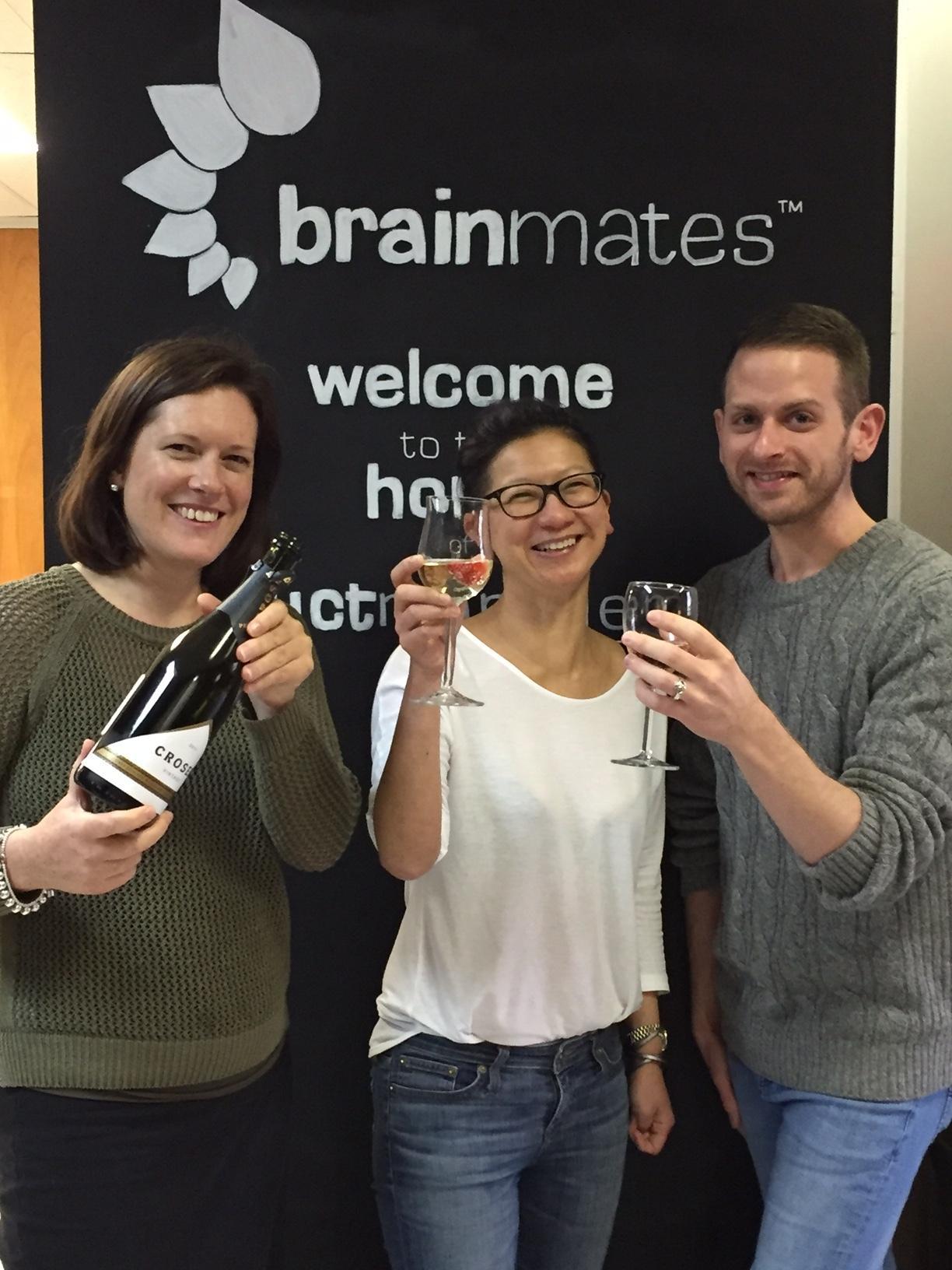
In 2013…
***RT: That’s incredible—resilience and adaptability are such crucial qualities, especially for entrepreneurs. You mentioned how these traits helped you weather difficult times. You’ve been at the helm of Brainmates for 20 years, which is an incredible milestone. ***
Adrienne: One of the most pivotal moments was in 2013, when we had to close our consulting business and downsize significantly. We were too early for the market, and the demand for product management consulting just wasn’t there. It was a tough time—we ran out of money, and I had to make the difficult decision to rebuild from the ground up.
We shifted focus to training, as it was a more accessible entry point with an existing budget line for companies. That decision reshaped Brainmates. As people began to understand what we taught, it opened the door to consulting opportunities with those same clients. It was a rebuilding phase, but it set the foundation for the growth we’ve experienced since.
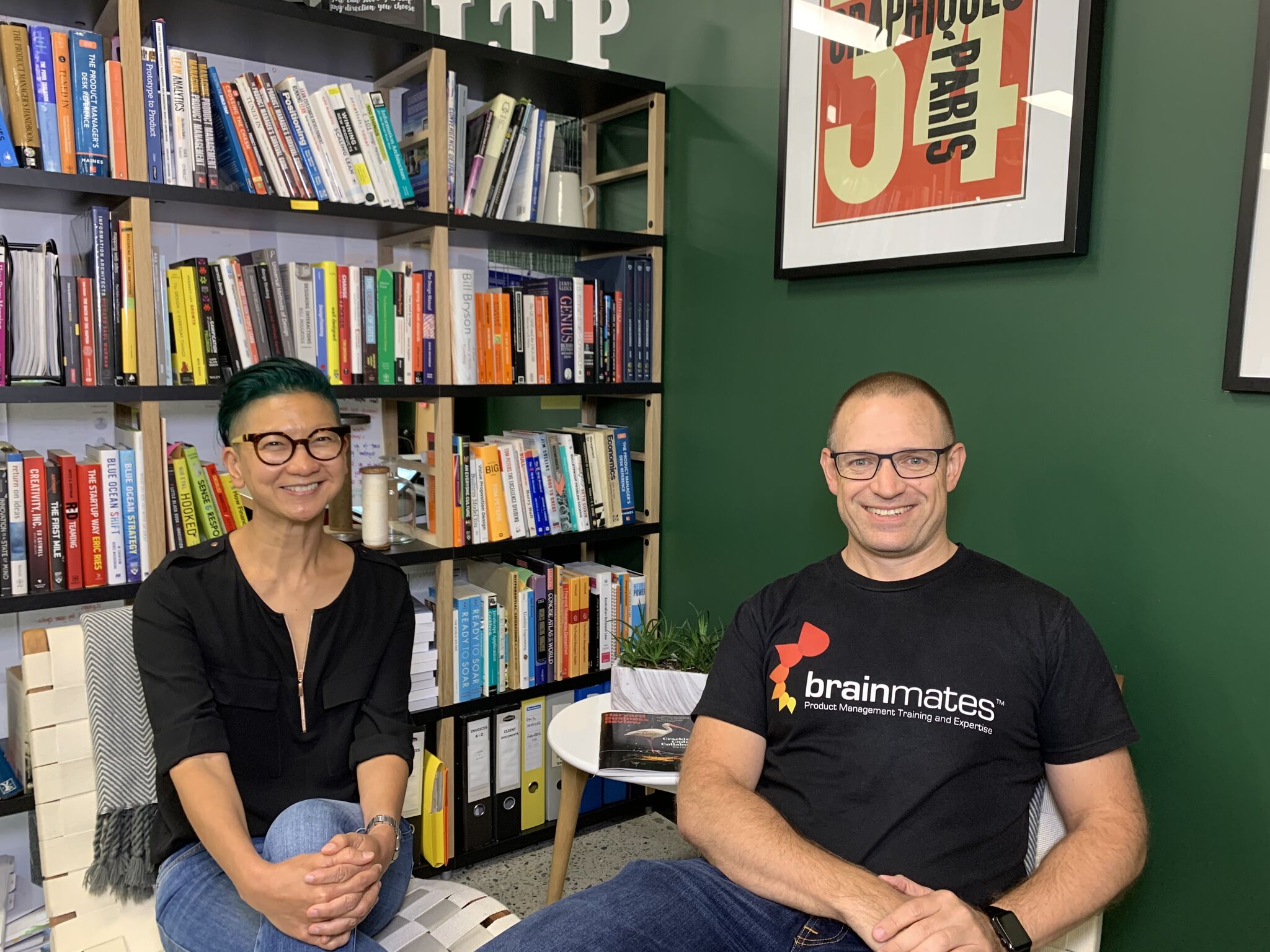
“Being too open or too authentic can overwhelm people…”
Adrienne: I’ve spent years reading about leadership, and one thing I’ve learned is that leadership isn’t one-size-fits-all—it requires nuance. We hear a lot about being open and authentic, but I’ve come to realise that there’s a delicate balance to strike. Being too open or too authentic can overwhelm people, while not being open enough can create distance. It’s really about reading the room and understanding how much of yourself to bring forward in any given situation.
My advice to aspiring leaders is this: absorb what you learn from books, articles, and others, but don’t take it all at face value. Leadership requires good judgment. You have to adapt what you’ve learned to fit your own style and the specific needs of your team. Be thoughtful in how you apply those lessons and find your own rhythm—there’s no one right way to lead.
It’s Not Just Product’s Job To Be Product-Led
Adrienne: The biggest misconception I see is that being product-led means it’s solely the responsibility of the Product team. Many believe that product management takes charge and other functions simply follow. But that’s not how it works. Being product-led is about creating a culture focused on delivering both customer and business value, and that requires a company-wide shift.
It’s the executives who must lead this change, not just the product team. We coach executives to understand that they play a crucial role in championing this mindset across all departments—whether it’s marketing, sales, or operations. Product-led isn’t just a function or a process, it’s a cultural change that begins at the top.
Another common misconception is that this shift can happen quickly. In reality, change takes time, and you’ll likely face hard decisions along the way. But the reward of becoming truly product-led is immense. When done right, it sets the foundation for long-term growth, better alignment across teams, and a stronger connection between customer needs and business objectives.
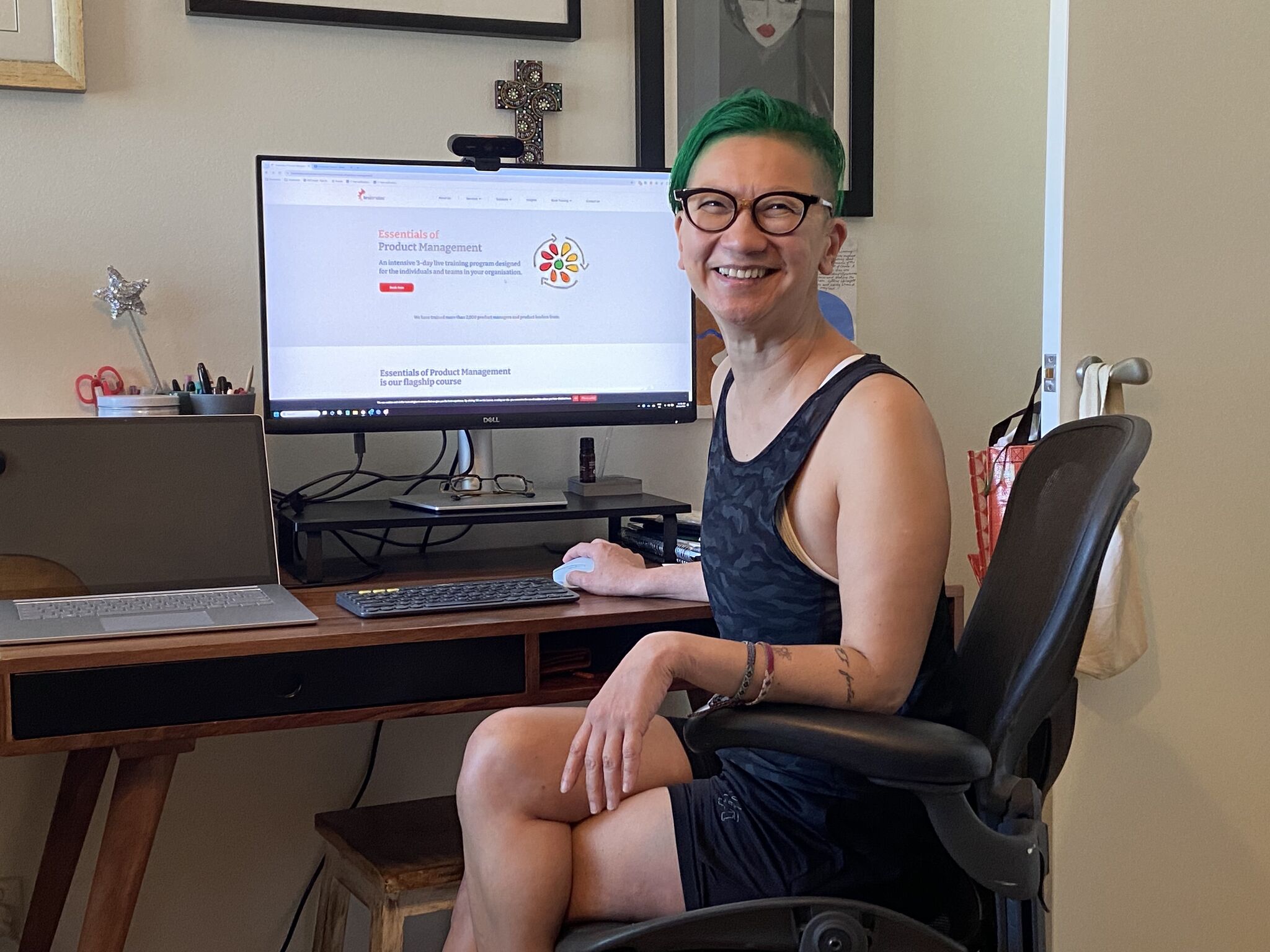
“My ambitions have always outpaced my bank account.”
RT: It’s so true—being product-led really requires a cultural shift, not just a structural one. Your journey with Brainmates has been remarkable, especially considering you bootstrapped it.
You’ve built Brainmates without outside investment, which is quite rare. What are some of the advantages and challenges you’ve faced by bootstrapping, and how has that shaped your business philosophy?
Adrienne: My ambitions have always outpaced my bank account. We’ve never had outside investment, and in Australia, it’s particularly challenging to secure investment for a professional services business. While we’re now developing software to codify our work—which may change the dynamic and value of our business—bootstrapping has certainly shaped how we operate.
Without external funding, we’ve had to be incredibly disciplined with our finances. We’ve had to be more methodical in our approach. It takes time to invest in our own people before we can uplift capabilities in other organisations. This means we must be financially prudent and strategic with our growth. But one of the advantages of bootstrapping is that we’ve become exceptional money managers.
More importantly, we’re beholden to no one. We get to do the work we’re passionate about, without the pressure of making decisions purely for someone else’s return on investment. It allows us to stay true to our mission of helping organisations become product-led, at our own pace and on our own terms.
RT: You seem to have a very full life, with lots of achievement and accomplishments. What are you most proud of, in your life? Looking back, what is one pivotal moment or decision that shaped the trajectory of the company?
RT: That decision to pivot and focus on training clearly paid off, and it’s a great example of turning a challenge into an opportunity.
In one of your posts, you mentioned being a “late bloomer” and growing into leadership over time. How has your approach to leadership evolved over the years, and what advice would you give to others who aspire to be great leaders?
RT: I love how you mention leadership being about nuance—it really resonates. It’s such an important take because it’s all shades of gray.
Brainmates has helped so many organizations become product-led. What is the most common misconception you’ve encountered when businesses attempt to adopt a product-led approach, and how do you help them overcome it?
“We noticed that women seemed to prioritise their learning less than men, and we wondered why.”
With Product Women, you’ve created a space for women in product management to connect and grow which is incredible. Could you comment on why you decided to go into this venture, and how gender dynamics in the tech industry have changed since you started Brainmates?
Adrienne: I co-founded Product Women with Amanda Ralph and Laura Cardinal over a breakfast, motivated by a simple observation: women were underrepresented in our product management classes. We noticed that women seemed to prioritise their learning less than men, and we wondered why. Our hypothesis was that women might feel more comfortable learning in a space that felt safe and supportive, where they could ask questions without hesitation. So, we created Product Women to provide that opportunity—to help women in product management connect, learn, and grow from each other.
Since starting Brainmates, I’ve seen how the tech industry has held onto its “bro culture,” making it a difficult space for many women, including myself. I’ve never felt fully at home in the tech environment. In fact, back in 2017, I remember Mike from Atlassian attending one of our small meetups in our Sydney office. At the time, Atlassian hadn’t yet exploded into the major tech player it is today. Looking at it now, I wouldn’t feel comfortable in that kind of culture—it’s just not where I feel I belong. That’s one of the reasons why Product Women is so important to me. It’s a space where women can truly thrive, outside of the tech world’s usual dynamics.
“It sounds basic… it unlocks alignment.”
Adrienne: We’ve worked with many retail and financial services organisations in Australia, and one of the most impactful yet simple changes we’ve implemented is aligning role profiles across different functions like engineering, design, and product. It sounds basic, but when teams—each with their own understanding of roles—sit down together to define and calibrate what each role is meant to do, it unlocks alignment.
These conversations bridge gaps and clarify overlaps, ensuring everyone is on the same page about responsibilities and collaboration. It’s in these small but focused efforts that significant improvements are made. People begin to work together more fluidly, and the clarity leads to more effective teamwork and faster delivery. The results are often immediate, with teams feeling more connected and capable of driving the kind of impact they aim for.
“The title of ‘Product Manager’ may fade…”
Having worked closely with companies across industries, what trends or shifts in product management do you think will define the next decade? How should organizations prepare for these changes? What’re your thoughts on AI’s role in product management?
Adrienne: In the next decade, I think we’ll see product management transcend the product team. It won’t just be a specific role confined to one function—it’ll become a way of operating across entire organisations. Teams like operations, design, and delivery will increasingly adopt product-centric practices. It’s even possible that the title of “Product Manager” may fade as we shift from role-based to skill-based work structures. The product work won’t disappear, but the way we define and distribute responsibilities will evolve.
AI will also play a massive role in reshaping how we work. As AI becomes more intelligent and capable, product people may find themselves working with fewer engineers. The routine tasks that currently take up so much bandwidth will be handled by AI, allowing teams to focus on higher-level, strategic work.
To prepare for these shifts, organisations need to start investing in people capabilities now. People are our competitive advantage. And it’s not just about technical skills, either—adaptive capabilities are critical. We need to foster the ability to lead, make informed judgments, and navigate an increasingly complex, constantly shifting world.
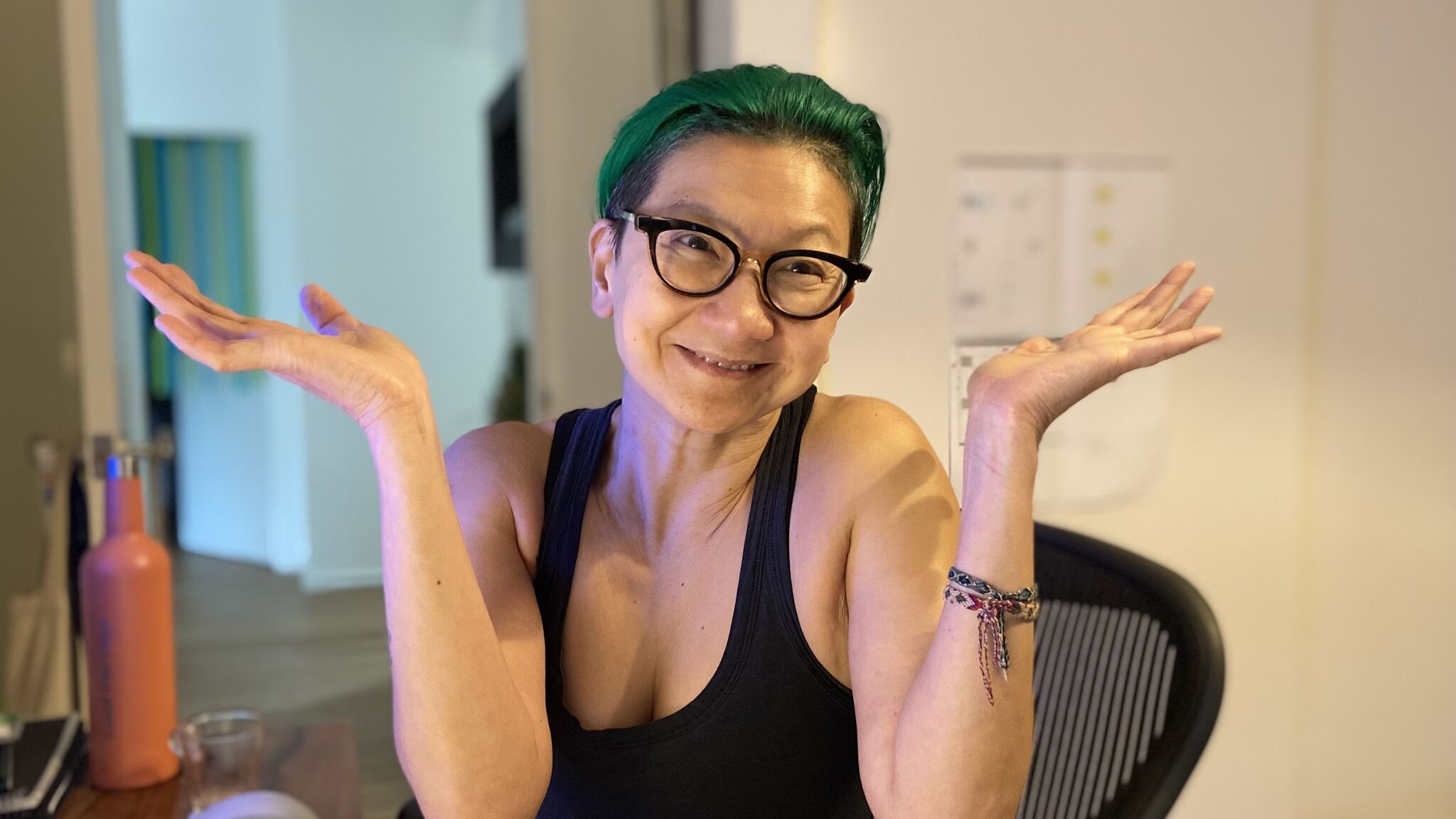
“After 20 years in business—you develop a bit of a thick skin…”
In one of your posts, you mentioned the importance of self-belief and being kind to oneself. How do you practice self-compassion as a leader, especially when facing setbacks or challenges?
Adrienne: Bloody hell, what a great question! I think it’s natural to let yourself feel disappointed for a moment when things go wrong—I certainly do. I give myself a few minutes to get frustrated, but then I try to step back and disassociate myself from the mistake or setback. It’s important not to let it define you.
I remind myself of the things I’ve done well, the challenges I’ve overcome before, and believe that I’ll find a way out of the current problem. You have to think highly of yourself, which may sound silly, but as a business owner, you’re constantly facing challenges. I hear “no” so many times in a day. If I didn’t believe in my abilities or think I was capable, I wouldn’t survive in this role.
It’s something you learn after 20 years in business—you develop a bit of a thick skin. You can’t lead if you doubt yourself, so it’s about finding that balance between acknowledging your mistakes and believing in your ability to move forward.
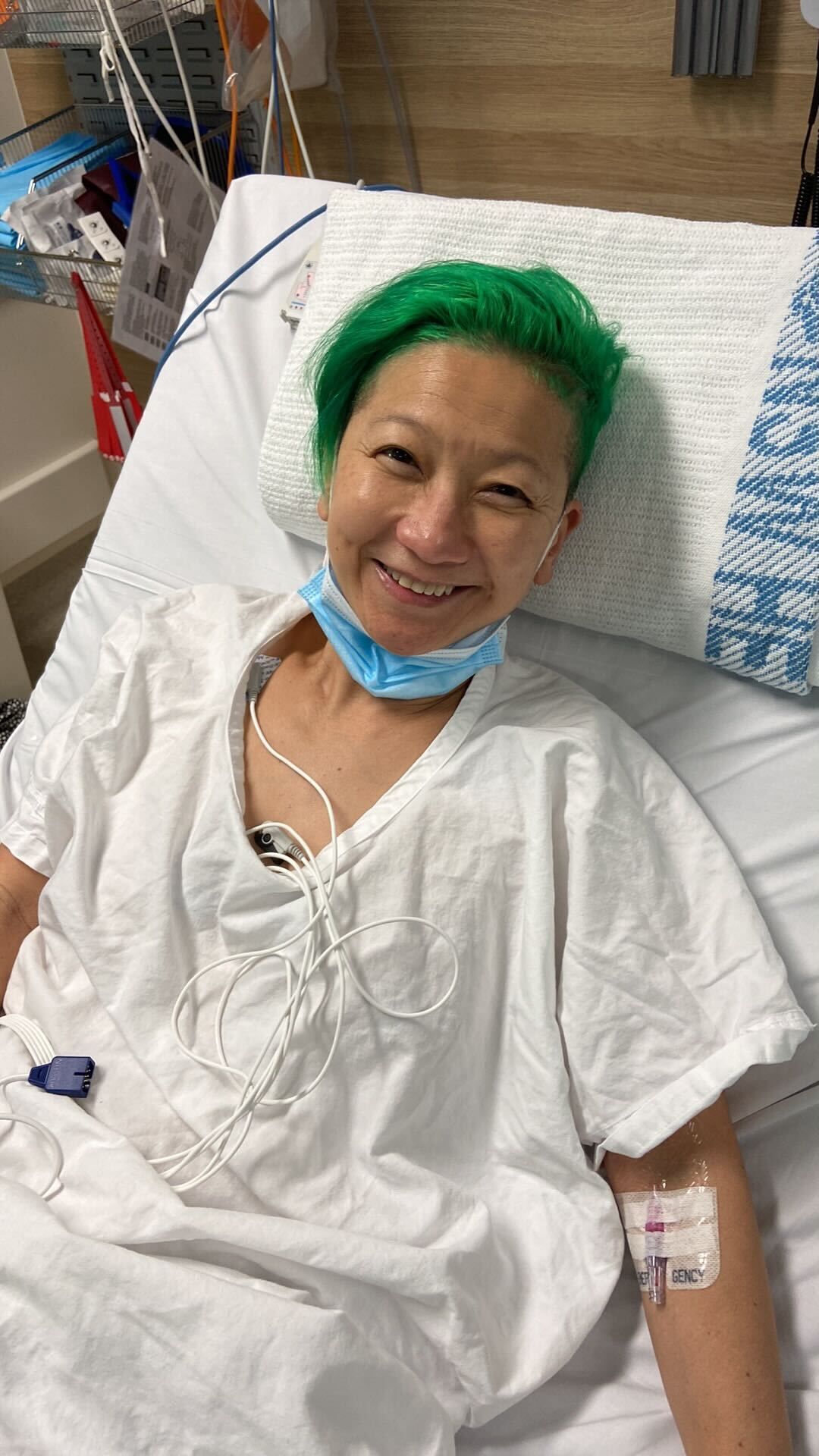
Alongsides Brainmates, you’ve co-founded Product Women. RT: The discipline that comes from bootstrapping is impressive, and staying true to your mission without external pressure is a luxury many don’t have.
RT: It’s inspiring to hear how you’ve created a safe space for women to thrive in a traditionally male-dominated industry!
Speaking of incremental change… You often mention that good product management isn’t about silver bullets but small, consistent changes. Can you share a time when a small change made a significant impact on an organization you worked with?
RT: That’s such a simple yet effective example of how clarity and alignment can lead to better collaboration and results. Sometimes simplicity is often the right answer.
RT: The way you describe the future of product management evolving beyond just the product team is fascinating—and AI’s role will definitely be a game changer.
Continue reading
Get the full newsletter, free.
Join founders and builders who read Self Aligned every week.
“Not everything has to be taken seriously”
RT: It’s SO refreshing to hear such honesty around the balance between self-compassion and resilience—thank you for that!
You’ve shared some great insights on leadership, now let’s talk growth.
What are the habits, experiences, or relationships that have most significantly contributed to your growth as a leader, and how have they shaped your approach to leading others?
Adrienne: I’ve learned the value of making decisions quickly; to me, it’s better to make a wrong decision than to get stuck in deliberation. I’ve found that overthinking can lead to more problems than it solves. When I discuss roadmaps with my team, I focus less on the product, the product features, precise timing and more on alignment. I always tell them that if we make a mistake, we’re clever enough to fix it—we’re in this together, after all.
Another key element of my leadership style is a sense of humour. I genuinely believe that not everything has to be taken seriously. We spend so much time working that it’s essential to find moments of levity, even in challenging situations. It helps to create an open environment where my team feels comfortable sharing ideas and taking risks.
Building relationships is also a crucial part of my leadership journey. I prioritise genuine connections with my team. Knowing them on a personal level enables me to lead with empathy and understand their strengths and challenges. These habits, experiences, and relationships have shaped my approach to leadership, fostering a culture of trust and collaboration where we can all thrive together.
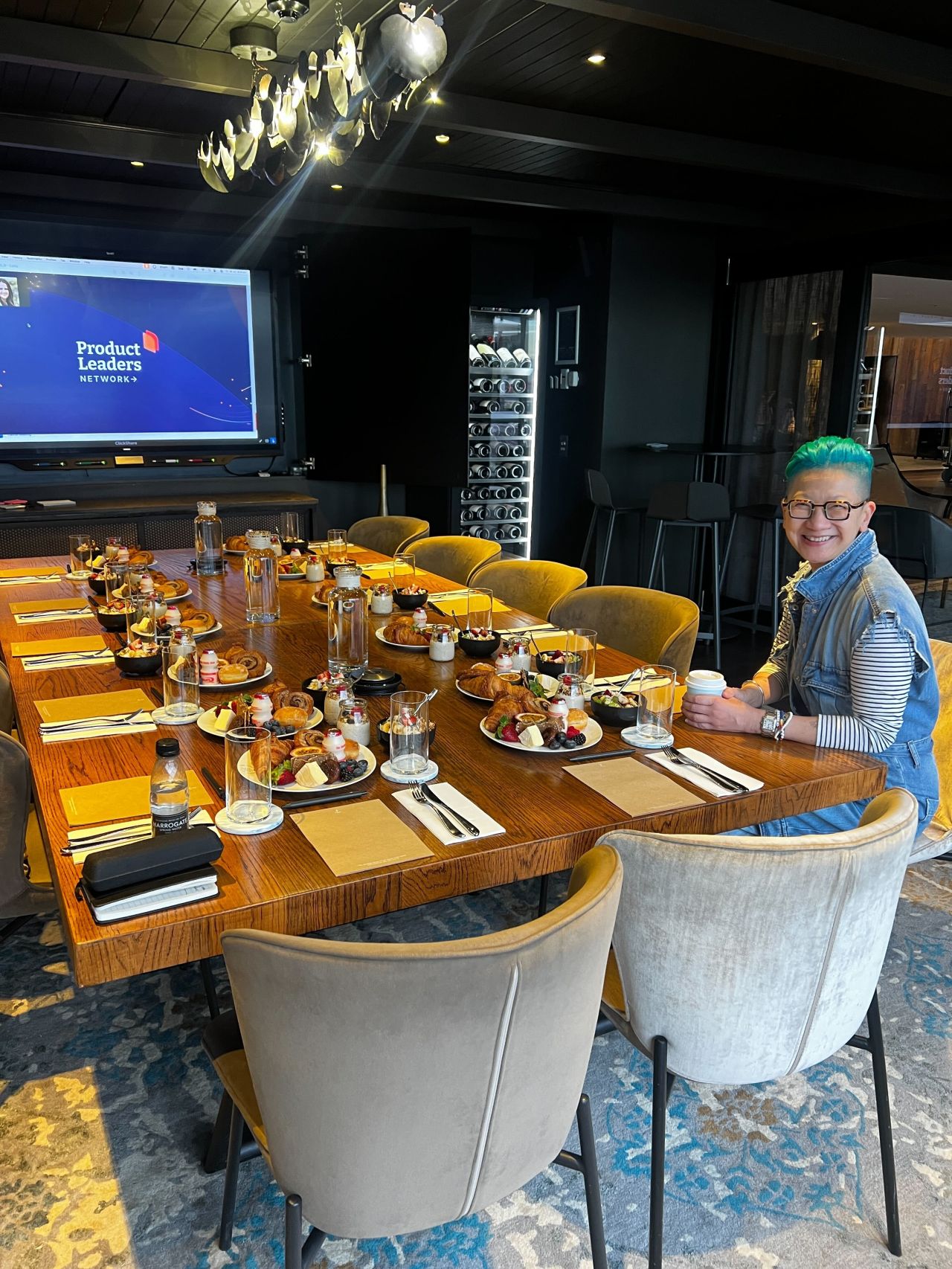
“It’s tough as hell…”
RT: I really like that take of “it’s better to make a wrong decision than to get stuck in deliberation”. Progress is better than perfect. And genuine connections are everything in life, in my opinion.
For someone reading this who aspires to be a founder, what’s your biggest lesson learned in entrepreneurship you would tell them about?
Adrienne: Be deliberate about what you want to achieve. Don’t just stumble into entrepreneurship and hope for the best; take the time to really think about where you want to be and how you plan to get there. It’s tough as hell—believe me, there are days when you’ll want to cry (okay, maybe a lot of days). But if you have a clear vision of your future and a solid understanding of your goals, you can stomach the challenges that come your way.
Embrace the ups and downs, and don’t shy away from asking for help or leaning on your network. Surround yourself with people who inspire you, challenge you, and can offer guidance along the way (Thank you Michael Bromley). That support system can make all the difference when the going gets tough. And don’t forget to inject a little humour into the process—sometimes, laughter is the best medicine for the entrepreneurial grind!

“Embrace the twists and turns…”
RT: That’s such valuable advice—being deliberate and intentional in your goals while embracing the ups and downs is great advice most people could use.
Now, I’m curious… If you could go back to 18 year old Adrienne, what would you say to her in a 10 minute conversation?
Adrienne: Hey girl! It’s all going to be okay. You might not have a traditional career path, but trust me, you’ll find magic along the way. Embrace the twists and turns because each experience will shape you into the person you’re meant to be. Don’t be afraid to take risks; they will lead you to incredible opportunities. Stay true to yourself, be open to learning, and remember that resilience will be your greatest strength. You’ll make a meaningful impact in ways you can’t even imagine right now.
Adrienne Tan’s journey as a founder and product leader reflects resilience, adaptability, and a deep commitment to fostering product-led organizations.
From the early days of bootstrapping Brainmates to creating Product Women and shaping the next generation of product management, Adrienne’s insights are a powerful reminder that true leadership lies in consistency, empathy, and the courage to grow.
As the world of product management evolves, her approach to leadership and product-centric practices will continue to inspire others (including myself) to navigate complexity with clarity and purpose.
For would-be leaders, Adrienne’s message is clear: embrace the challenges, focus on small, consistent changes, and NEVER stop growing.
Want to hear more from Adrienne?
**P.S. **Want reminders on growth, empathy, and leadership? Follow me, Robert Ta, on LinkedIn, Threads, and Twitter.