
Advice of the Week: Stop Networking, Start Connecting
The people who seemed to connect easily weren’t necessarily the most charismatic, they were the most curious.
Now you might be thinking, “Well great Robert, but what if I’m introverted and find connecting with new people exhausting?”
Here’s the answer…
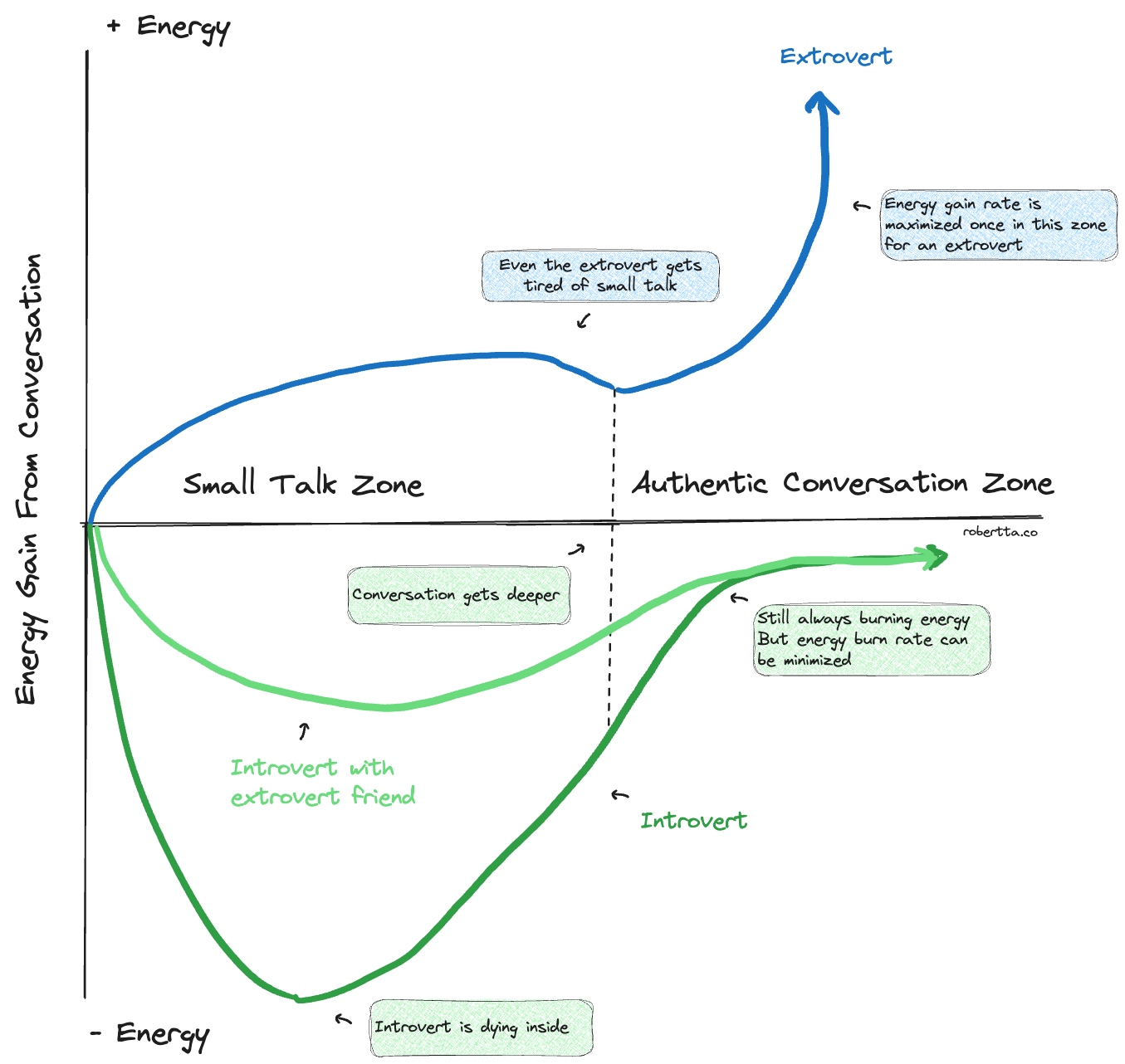
**→ Go with somebody extroverted: **They’ll do the brunt of the talking and you get to come along for the ride.
Don’t have any extroverted friends?
Find some.
Spend that upfront investment, and it will pay dividends to your life—I promise you that.
→ Tactically schedule your “Me” time: Plan to block “me” time before and after big connection days to anticipate your need to recharge your batteries in advance.
How do you have authentic conversations?
And that brings us to this week’s Breakthrough…
Breakthrough Recommendation: Supercommunicators - Stanford GSB Podcast
Why It’s Awesome:
This podcast episode shows you how to turn the typical transactional nature of “networking” into something far more human.
It’s perfect for anyone who’s tired of superficial exchanges and wants to make real, lasting connections.
And the best part?
The strategies are so simple, you can start using them right away!
My Favorite Takeaways:
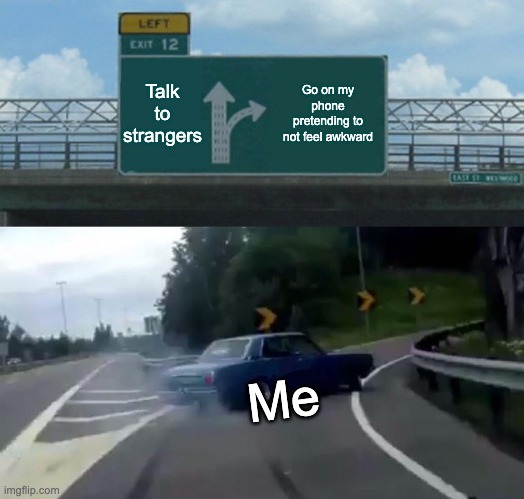
I started to notice a pattern amongst people I’ll call “superconnectors”. → Learn how to have authentic conversations:
They didn’t talk about themselves endlessly or show off their latest accomplishments.
Instead, they made others feel seen and heard.
That was the first “aha” moment for me.
Over the years, I’ve learned some simple ways to connect authentically.
The Three Types of Conversations We Have…
Charles Duhigg breaks down the 3 types of conversations we have and what happens when our expectations are misaligned.
- Practical: focuses on decision making, problem-solving, and planning.
- Emotional: focuses on seeking empathy and sharing feelings.
- Social: focuses on exploring relationships, societal perceptions, and personal backgrounds.
When we walk into a conversation, there’s a certain expectation the conversationalists have—and often it is unsaid.
Conversation Type Mismatch Example:
Conversation Type Match Example:
My Partner: “Hey honey that problematic PM at work is making my life hell again, here’s all the ways they’ve made me miserable today…” (Emotional)
Me: “How could I be here for you right now? Would you like me to just listen or to try to help the situation beyond that?” (Clarification - ?)
My Partner:“Listening mode please! You wouldn’t BELIEVE what they said in this meeting…” (Clarification - Emotional)
Me: “Oh that sounds hard to deal with and frustrating, what happened next?” (Emotional)
Matched!

So, how can you apply these ideas to turn strangers into meaningful relationships?
Everybody is human and wants to feel heard and seen for who they are. It is one of the most beautiful joys in the world to give somebody that feeling authentically.
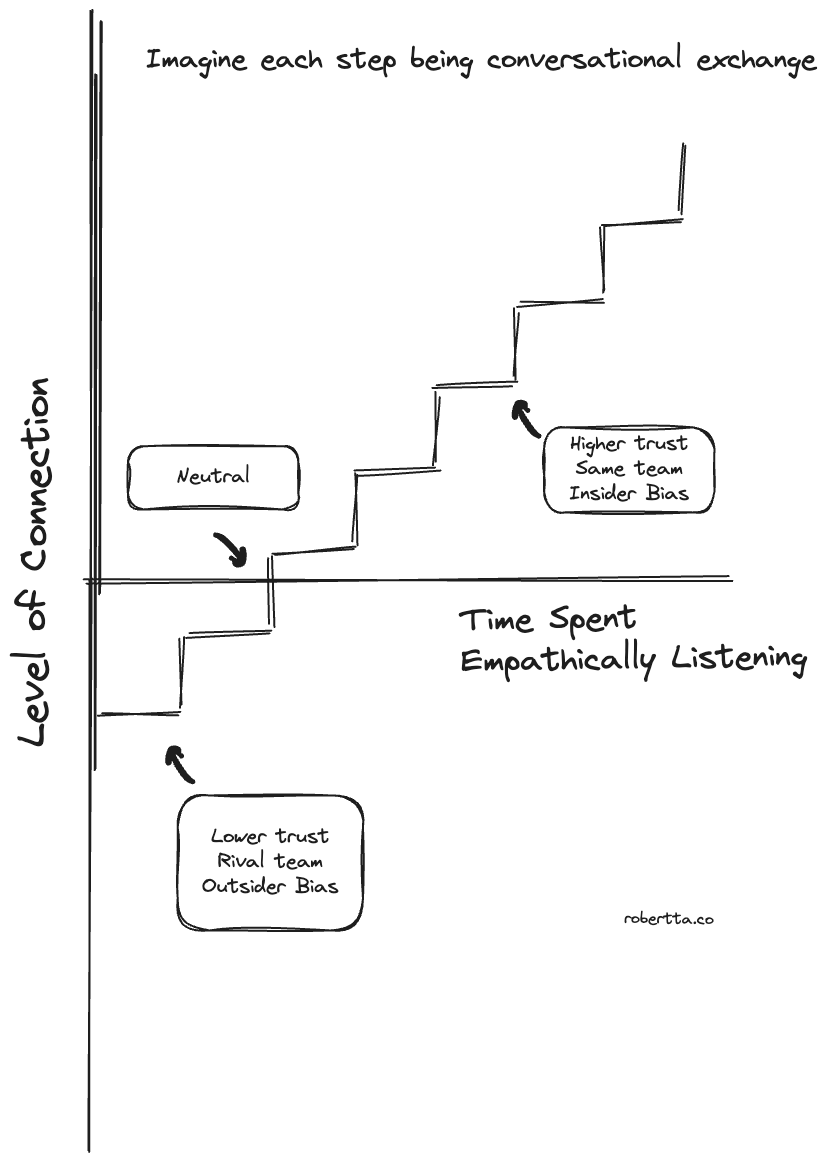
→ You do that with a dash of empathic listening.
When you’re at a conference or meetup, and your goal is to connect with others (find friends, potential business partners, or people you can just exchange knowledge with, etc.), you’re having**“social”** conversations and sometimes**“practical” **conversations.
The best connecting conversations I’ve had are**“social” + “emotional”** conversations, where you listen and share on personal backgrounds, interests, values to try to understand each others’ lens on the world.
And you get here by asking deeper questions that get at the “why” of what makes the person who they are.
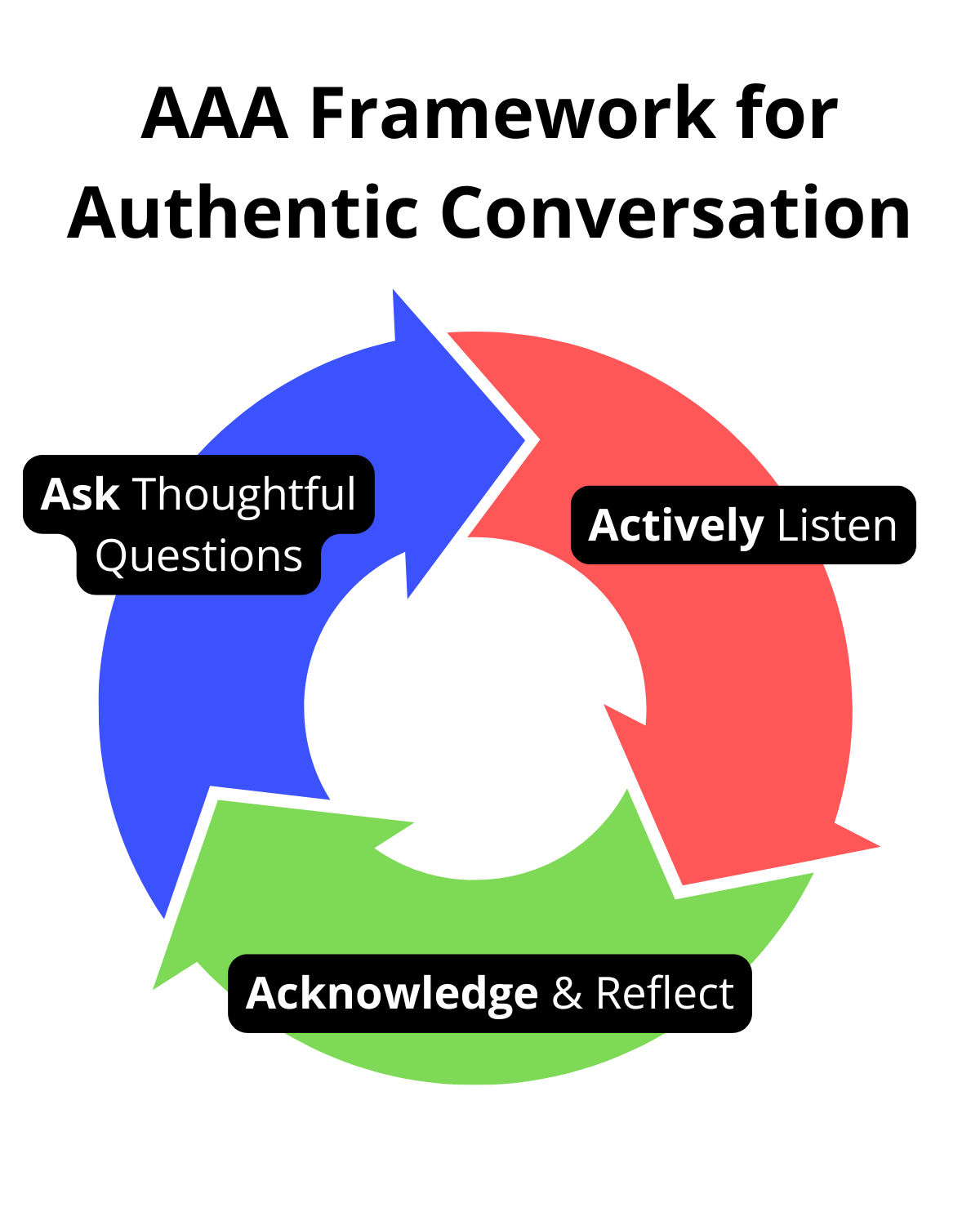
The AAA Framework To Connect Deeper Through Conversation
- **Ask Thoughtful Questions: **ask open-ended meaningful questions that invite deeper conversation.
- **Actively Listen: **give the other person your full attention, maintain eye contact, avoid distractions (your phone), and don’t prepare for your next response while they’re talking. Listen to listen.
- **Acknowledge and Reflect: **acknowledge their perspective by reflecting back what you heard. If the conversation is more complex, try saying “Could I reflect back what I heard to make sure I understand you right?”, and when they say yes or nod, reflect what you heard in your own words with some empathy.
My Partner: “Hey honey that problematic PM at work is making my life hell again, here’s all the ways they’ve made me miserable today…” (Emotional) Me: “Here’s exactly what you should do about your situation to fix it…” (Practical) My Partner:“You never understand me!” (Mismatch) Me: “Dammit…” (Technically, Emotional) I’m sure you’ve seen this story before. **Mismatch.**Here’s my main principle for connection: You make them feel comfortable, and invite them to share their story.
Here is my AAA Framework to deeper conversations.
Continue reading
Get the full newsletter, free.
Join founders and builders who read Self Aligned every week.
Example Conversation To Connect Deeper:
Me: “So how do you spend your days?”
Conversation Partner: “I work as a Product Manager, and outside of that I have a dog and enjoy exploring new restaurants.”
Me: “Oh that’s so cool, I am also in Product! (establish common ground) What is your dog’s name? Can I see a photo?”
Conversation Partner: “Their name is Nibbler. Yeah, I have thousands of photos!”
Me: “You must be so happy to have Nibbler! How did you come up with that name?”
Conversation Partner: “I’m so proud to have Nibbler! I got it from this cool show…”

And so on…
And here are 3 questions I really like from a science-backed list of 36 proven questions by PhD Psychology Professor, Arthur Aron, to connect deeper, faster, and more authentically:
- What would constitute a “perfect” day for you?
- Given the choice of anyone in the world, whom would you want as a dinner guest? (though, I say who because it sounds more human to me)
- What is your most treasured memory?
There will be endless follow up questions you can ask based on their response—just put your listening hat on!
In short, the awkwardness melts away when the conversation becomes about genuinely trying to learn about the other person and their lens on the world— not proving your worth.
The Follow Up
The conference breakout is wrapping up. You want to take this relationship to the next level because you both felt so energized.
It doesn’t have to be awkward.
→ Ask for their phone number, or email, or LinkedIn depending on comfort level.
→ Follow up with them.
Example: “Hey I enjoyed our conversation and learning more about you, thanks for sharing about . I’d love to chat more and continue the conversation! [“Here is my calendly” or “Would you want to grab a coffee in a couple weeks?]
That’s all.
Then be a reliable person and follow through and now you have a more genuine connection to nurture!
Now, how do we evolve that relationship to mentorship or partnership?
→ That’ll be a part 2 deeper dive in a future ABC newsletter, so subscribe and stay tuned.
ABCs for Growth by Robert Ta is a reader-supported publication. If you wouldn’t be opposed to supporting me (and you find my writing helpful), consider a free or paid subscription.
The Breakthrough Recommendation
What I Did This Week
I attended a virtual hour long summit and decided to put my own advice into practice.
Instead of passively listening, I engaged actively:
- Participated in Q&A Sessions: Asked thoughtful questions that sparked follow-up discussions.
- Connected on LinkedIn: Sent personalized invitations to speakers and attendees, mentioning specific points from their talks or talking points that resonated with me.
- Followed Up: Shared articles and resources related to our discussions.
One of those connections led to a virtual coffee chat, and we’re now exploring potential collaboration opportunities!
Simple!
Challenge: Reach Out to One Person This Week
This week, I challenge you to take one actionable step toward superconnecting:
Attend an event (virtual or in-person) and focus on having one genuine conversation.
Here’s how:
- Set an Intention: Decide that you’ll connect authentically with at least one person. (EVERYBODY can connect with ONE person at an event!)
- Prepare Your Mindset: Remind yourself that it’s about connection, not perfection. Listen more, talk less.
- Use Open-Ended Questions: Engage with curiosity.
- Be Present: Listen actively without worrying about what to say next.
Afterward, reflect on the experience. How did it feel to “connect” vs. “network”?
You got this!
Liked this article? 💚 Click the like button.
Feedback or addition? 💬 Add a comment.
Know someone that would find this helpful? 🔁 Share this post.
Please take a 5 second survey to help me make this newsletter better for you.
P.S. Want reminders on growth, empathy, and leadership? Follow me on LinkedIn, Threads, and Twitter.