
This Week’s ABC
Advice: The 3 keys to WHY storytelling.
Breakthrough: 1 book with a 7 step framework, and 1 AI prompt for telling great stories.
Challenge: One small thing you can do this week to start telling better stories.
📖 Advice: 3 Keys for WHY Storytelling in Leadership
Let’s face it: Your audience doesn’t care about your data.
Let’s go back to that moment in 2017.
The yawns. The blank stares. The relentless checking of phones.
I had missed the single most important tool for influence:
Storytelling.
Data might inform, but stories persuade.
They engage.
They stick.
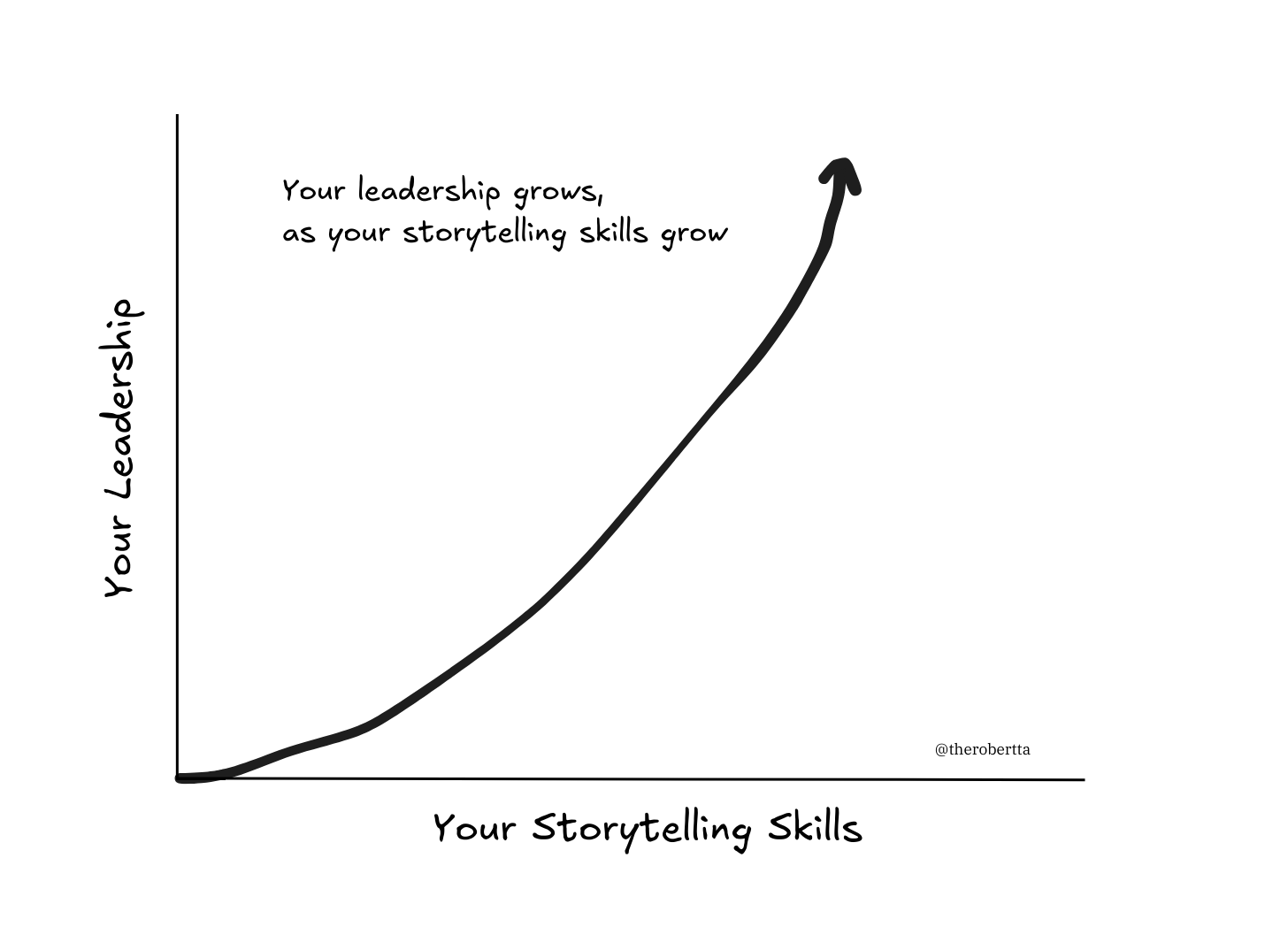
And as a leader, your ability to tell stories can mean the difference between a disengaged audience and a movement that shifts mindsets and drives action.
But why does storytelling work so well?
Because our brains are wired for it.
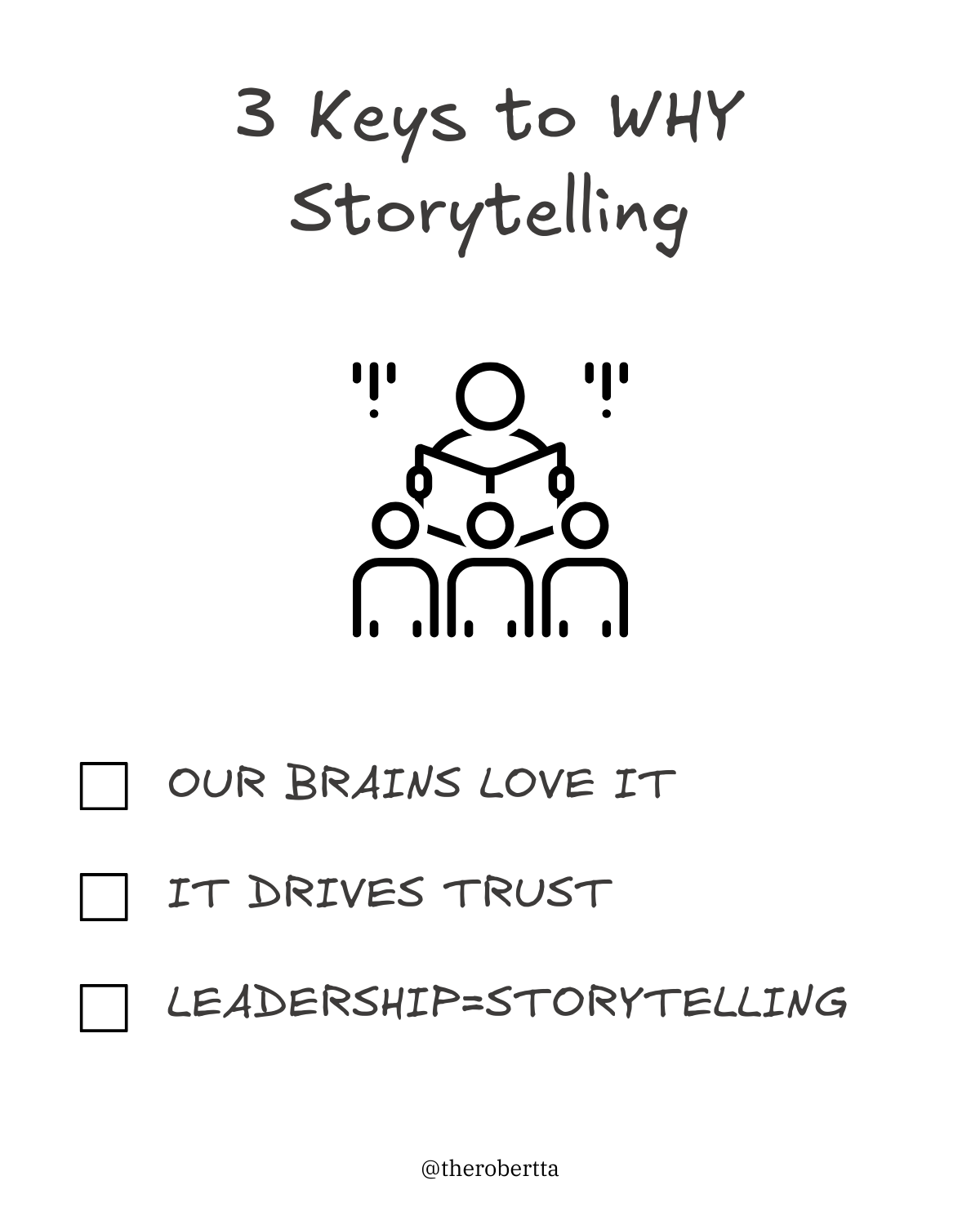
1. Our Brains Love It
If you’ve ever cried during a movie or felt chills from a powerful speech, you’ve experienced the brain’s natural response to storytelling.
Science backs this up.
When we hear a story, our brains don’t just process the words—we experience them.
Neuroscientists at Princeton University discovered a phenomenon called neural coupling—where a storyteller’s brain and the listener’s brain “synchronize” during a well-told story.
The same regions of both brains light up, creating a shared experience.
In contrast, when data is presented in isolation, the brain processes it in a much more limited way, often forgetting it soon after.
This means that when leaders tell compelling stories, they’re making their audience feel the message.
And that feeling is what drives action.
Another powerful effect of storytelling is its impact on dopamine release.
Studies show that when we listen to emotionally engaging stories, our brains release dopamine, a neurotransmitter that enhances focus, motivation, and memory.
**That’s why you can remember **the story of the tortoise and the hare from decades ago.
And that’s why you can’t remember what you had for lunch last Tuesday.
In leadership, this has real implications.
Takeaway: If you want your message to stick, framing it as a story increases retention, engagement, and the likelihood of your team remembering and acting on what you say.
They care about what it means for them.
2. It Drives Trust
Trust is the foundation of leadership.
And stories help build it.
A study from Paul Zak, a leading neuroscientist, found that stories that evoke empathy and emotional engagement increase the production of oxytocin—a neurochemical that fosters trust, cooperation, and connection:
Why the brain loves stories
“The first part of the answer is that as social creatures who regularly affiliate with strangers, stories are an effective way to transmit important information and values from one individual or community to the next. Stories that are personal and emotionally compelling engage more of the brain, and thus are better remembered, than simply stating a set of facts.
Think of this as the “car accident effect.” You don’t really want to see injured people, but you just have to sneak a peek as you drive by. Brain mechanisms engage saying there might be something valuable for you to learn, since car accidents are rarely seen by most of us but involve an activity we do daily. That is why you feel compelled to rubberneck.”
This means that when leaders share personal struggles, team victories, or mission-driven narratives, they are literally building biological trust (from my perspective) with their audience.
- A CEO presenting a list of corporate goals in a dry PowerPoint.
- A CEO telling the story of a struggling customer whose life was transformed by the company’s product.
The second CEO creates an emotional connection.
The audience relates. They see the purpose behind the goals. And they care.
I know my answer.
“I’ve learned that people will forget what you said, people will forget what you did, but people will never forget how you made them feel.” —Maya Angelou“Stories are the single most powerful tool in a leader’s toolkit.” –Howard Gardner
“My lab pioneered the behavioral study of*oxytocin** and has proven that when the brain synthesizes oxytocin, people are more trustworthy, generous, charitable, and compassionate. I have dubbed oxytocin the**“moral molecule,”** and others call it the love hormone.”*## 3. The Most Effective Leaders are MASTERFUL Storytellers
Think about some influential leaders—Martin Luther King Jr., Steve Jobs, etc.
What made them unforgettable?
Not just their ideas.
He told stories about how they would change lives.
He shared a dream that people could see, feel, and believe in.
To really drive the point home, look at the results of this 1969 Stanford study.
Some students were tested on their memorization abilities:
- They were given a list of 12 words.
- They had 2 minutes.
- Half the group, group A, were instructed to memorize the list
- The other half, group B, were instructed to create a story that contained the words.
The results?
“Average median recall was 93 vs. 13% for the narrative and control” → Group B, the story group, outperformed Group A by MILES.
Takeaway: If you want to inspire, align, and lead—your job isn’t just to inform. It’s to captivate. And you do that with storytelling.
But wait…
If you’re thinking, “But I’m not a natural storyteller,” don’t worry.
You don’t need to be a novelist or a public speaker to use storytelling effectively.
You might be wondering… “Is there some sort of framework I can use?”
Yes… yes there is.
*🚀 Breakthrough: *StoryBrand Method
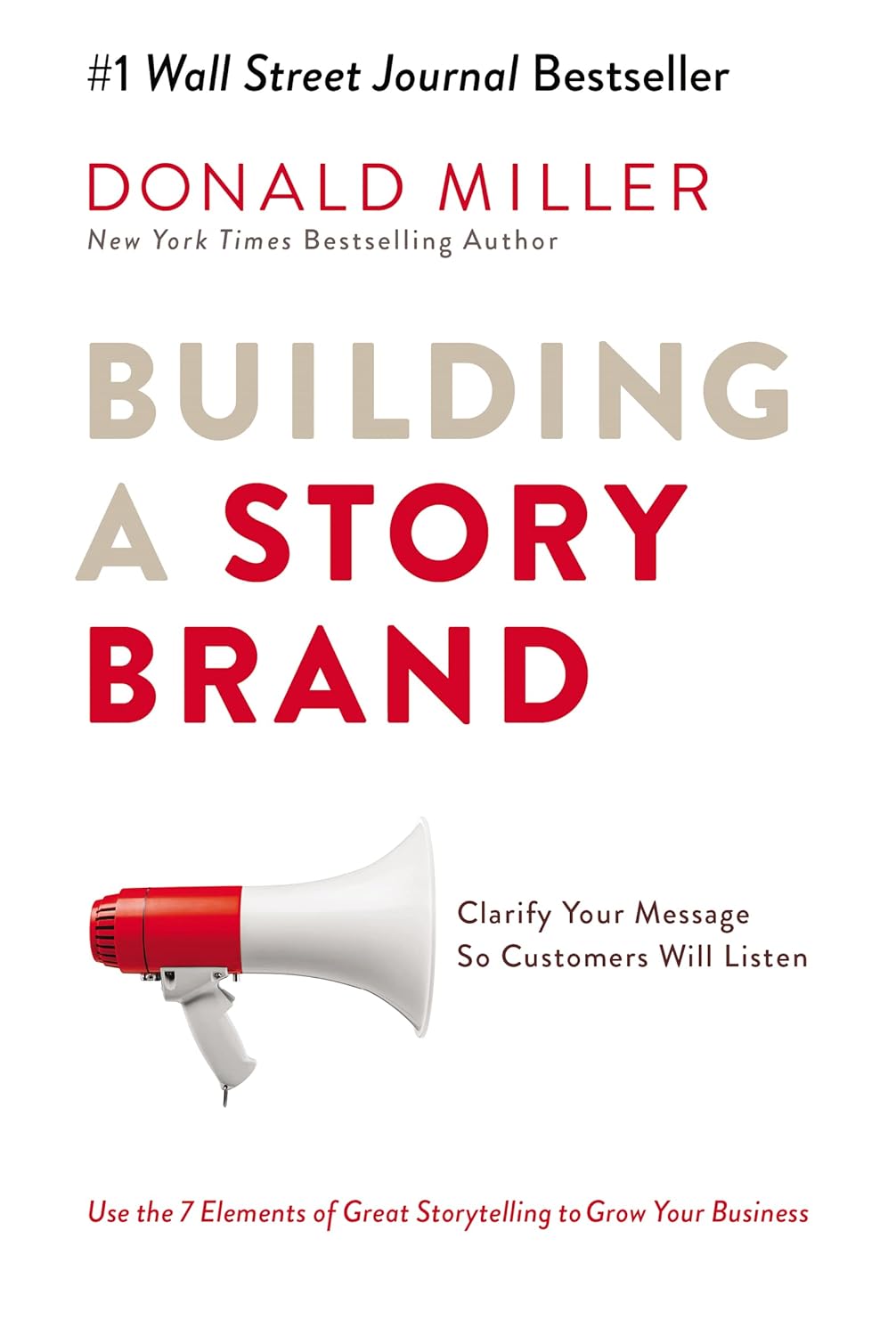
I’ve read many marketing books, and this is one of the most practical ones.
It has an easy and flexible framework grounded in storytelling for presentations, pitches, landing pages, products—really anything.
If you want to master storytelling, this book is a must-read.
Miller introduces a proven framework to clarify your message, engage your audience, and drive action.
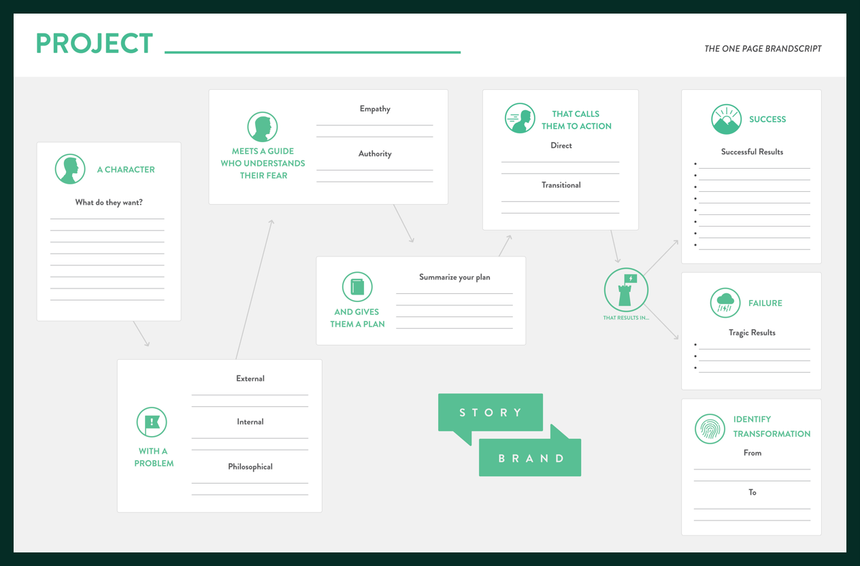
Miller’s framework is built around 7 key elements:
- **A Character: **Your audience is the hero of the story. Position them as the protagonist, not your product or idea.
- **A Problem: **Every hero faces a challenge. Clearly define the problem your audience is trying to solve.
- **A Guide: **That’s you. Position yourself as the mentor who can help the hero succeed.
- **A Plan: **Provide a clear, step-by-step plan to solve the problem.
- **A Call to Action: **Tell the hero exactly what to do next.
- **Avoid Failure: **Show what’s at stake if the problem isn’t solved.
- **Achieve Success: **Paint a picture of what success looks like.
Example:
Character: A busy tech leader trying to grow their influence.
Problem: They struggle to communicate their ideas effectively.
Guide: Me, with this newsletter and the StoryBrand framework.
Plan: Follow these 7 steps to clarify your message.
Call to Action: Start using the framework in your next presentation.
Avoid Failure: Without clear communication, your ideas will fall flat.
Achieve Success: Imagine your team fully aligned and inspired by your vision.
Not too shabby huh?
If you’re crafting a pitch deck, a new initiative plan, a landing page—I suggest you try it out.
Don’t have time?
Here’s an AI prompt I made for this purpose to make it easy.
Just define the ICP with a bit of detail at the top.
Try it out and let me know what you think.
“The customer is the hero, not your brand.”But how they communicated those ideas. Steve Jobs didn’t just announce new Apple products.
MLK didn’t present a 10-point policy plan.
Compare two leadership styles:
Who are you going to follow?
Takeaway: People don’t follow numbers. They follow narratives.
Continue reading
Get the full newsletter, free.
Join founders and builders who read Self Aligned every week.
My StoryBrand AI Prompt
You are an expert in product management, branding, and marketing, with deep expertise in the Storybrand framework. Your goal is to craft a clear, compelling brand narrative that positions the brand as the trusted guide for its target audience.

Target Audience:

Ideal Customer Profile (ICP):

Instructions:
1. Define the Core Storybrand Framework for My Brand:

The Hero (Character - ICP): Define who they are, their key characteristics, and what they deeply care about.

The Problem They Have:
External Problem (The tangible obstacle they face)
Internal Problem (How this problem makes them feel)
Philosophical Problem (The bigger injustice or "why" behind their struggle)

The Guide (Our Brand):
How should we position ourselves as the credible and empathetic guide for this hero?

The Plan (Our Methodology): Outline the simple, step-by-step process we provide to solve their problem.

Call to Action:

What direct and transitional calls to action should we use to move them forward?

Avoiding Failure: Define the biggest risks, pains, and fears they avoid by choosing us.

Achieving Success: Define the clear transformation and desirable outcome they experience when working with us.

Deepen the Hero’s Profile:
Top 3 fears that keep them up at night
Top 3 desires that drive their decisions
The key challenges we help them overcome
Top 3 things we help our hero avoid

Define the Stakes & Transformation:
"What’s there to lose?" If the hero does nothing and does not take our guidance, what are the real, painful consequences they will face?
"How will our hero transform?" Clearly define the before and after of their journey—what their life/business was like before us, and how it improves after choosing us.

Craft Brand Messaging & Identity:
10 Brand Name Ideas: Generate compelling, memorable names that position the brand as the perfect guide for the hero.
20 High-Impact Taglines: Create short, powerful taglines that would immediately resonate with the hero and position the brand as the trusted solution.

Guidelines for Tone & Positioning:
The brand should balance authority and empathy, ensuring that the hero sees it as both competent and deeply understanding of their struggles.
Messaging should be clear, actionable, and emotionally resonant, using language that the hero would naturally relate to and trust.
The brand’s positioning should inspire confidence and urgency, making it obvious why the hero should take action now.
Example
Here’s the output from defining the ICP as “product and technology leaders who want to level up their influence and storytelling”.
1. Define the Core Storybrand Framework
The Hero (Character - ICP)
Who They Are:
- Product and technology leaders in mid-to-large companies
- High achievers aiming to influence key stakeholders
- Technically brilliant but struggling to communicate with clarity and impact
What They Deeply Care About:
- Driving alignment and buy-in for their ideas
- Being seen as visionary leaders, not just executors
- Bridging the gap between technical complexity and strategic storytelling
The Problem They Have
🔹 External Problem (Tangible Obstacle):
- Struggling to simplify and communicate complex ideas effectively
- Failing to inspire confidence in executives, peers, or customers
- Stagnation in career growth due to lack of compelling storytelling
🔹 Internal Problem (How It Makes Them Feel):
- Frustrated that their ideas don’t land the way they should
- Undervalued despite their expertise and hard work
- Stressed about not getting buy-in from decision-makers
🔹 Philosophical Problem (The Injustice Behind Their Struggle):
- Great ideas should not go unnoticed just because they aren’t presented well
- Influence shouldn’t be limited to those who are just good talkers
- Technical leaders deserve a seat at the table, and storytelling should not be a barrier to that
The Guide (Our Brand)
We are the trusted guide that helps product and technology leaders become powerful storytellers and influential decision-makers.
Our positioning:✅ Credible: Deep expertise in product, technology, and business strategy✅ Empathetic: We’ve been in their shoes and understand their struggles✅ Actionable: We provide frameworks, not fluff—practical methods they can immediately use
The Plan (Our Methodology)
A simple, step-by-step roadmap to mastering influence:
- Clarify Your Core Message – Define what truly matters to your audience
- Craft a Compelling Narrative – Structure your ideas into a persuasive story
- Deliver with Confidence – Learn techniques to engage, persuade, and own the room
- Drive Measurable Impact – Translate storytelling into action and results
Call to Action (How We Move Them Forward)
📌 Direct CTA:
- “Book a Free Influence Strategy Call”
- “Get the Executive Storytelling Playbook”
📌 Transitional CTA:
- “Download the 10-Step Framework for Persuasive Product Pitches”
- “Join the Influence Accelerator Newsletter”
Avoiding Failure: What They Escape by Choosing Us
- Being overlooked for promotions or leadership roles
- Struggling to convince execs, investors, or customers
- Losing influence over product direction
- Letting less competent peers control the narrative
Achieving Success: The Clear Transformation
✅ Before: Struggling to get buy-in, feeling unheard, ideas lost in translation✅ After: Confidently leading discussions, driving alignment, seen as a strategic leader
2. Deepen the Hero’s Profile
Top 3 Fears That Keep Them Up at Night
- Being seen as a technical executor, not a strategic leader
- Getting passed up for promotions due to lack of executive presence
- Not being able to influence key decisions in high-stakes meetings
Top 3 Desires That Drive Their Decisions
- To be recognized as an influential leader in their org
- To confidently pitch ideas and have them adopted
- To make a real business impact beyond technical execution
Key Challenges We Help Them Overcome
- Simplifying technical concepts without dumbing them down
- Capturing executive attention in a sea of competing priorities
- Presenting ideas with clarity, confidence, and persuasiveness
Top 3 Things We Help Our Hero Avoid
- Drowning in details and losing their audience
- Getting sidelined in leadership discussions
- Feeling like they’re just another cog in the machine instead of a key decision-maker
3. Define the Stakes & Transformation
”What’s There to Lose?” (If They Don’t Take Our Help)
- Their ideas continue to be ignored or misunderstood
- Their career growth stagnates as others outshine them in influence
- They remain stuck as technical executors instead of strategic leaders
”How Will Our Hero Transform?” (Before & After)
🔻 Before: Frustrated, unheard, struggling to translate ideas into impact🔺 After: Commanding the room, driving alignment, seen as a visionary leader
4. Craft Brand Messaging & Identity
10 Brand Name Ideas
- Storyfluence (Storytelling + Influence)
- The Narrative Edge
- Product Voice
- ExecPitch Academy
- Influence Mastery
- The Strategic Communicator
- Clarity & Influence Lab
- Beyond the Deck (Great for exec pitching & storytelling)
- The Storytelling Advantage
- Lead With Narrative
20 High-Impact Taglines
- Turn technical brilliance into executive influence
- Master the art of persuasion for product & tech leaders
- Because great ideas deserve to be heard
- From product thinker to boardroom leader
- Don’t just build products—sell the vision
- Speak so execs listen, act, and buy-in
- The missing skill every tech leader needs
- Drive decisions with storytelling, not just data
- Own the room, win the deal, lead the strategy
- Persuasion is power—get yours now
- From slides to strategy: make every pitch count
- Your roadmap to influence starts here
- More clarity, more impact, more leadership
- Command attention in every meeting
- Crafting influence, one story at a time
- Speak with confidence, lead with vision
- Every great leader is a great storyteller
- Your expertise is your superpower—let’s make it heard
- Shift from explainer to influencer
- Stop getting ignored—start getting buy-in
Not too bad as a starting point!
💥 Challenge: 10 Minute Challenge
This week, use the StoryBrand framework above (and/or the AI prompt I made you) to craft a story around one idea or project.
Spend 10 minutes on it, then use it as the basis for your communication.
You’ll be amazed at the difference it makes.
Email me, and let me know what you think.
You got this!
Liked this article?
💚 Click the like button.
Feedback or addition?
💬 Add a comment.
Know someone that would find this helpful?
🔁 Share this post.
ABCs for Growth by Robert Ta is a reader-supported publication. To receive new posts and support my work, consider becoming a free or paid subscriber.
P.S. If you haven’t already checked out my other newsletter, ABCs for Building The Future, where I reflect on my founder’s journey building a venture in the open. Check out my learnings on product, leadership, entrepreneurship, and more—in real time!
P.S.S. Want reminders on entrepreneurship, growth, leadership, empathy, and product?
Follow me on..