
This Week’s ABC…
- Advice of the Week: How I learned to disconnect from work—even when it felt impossible.
- Breakthrough Recommendation: A transformative TED Talk that challenged my beliefs—“The Art of Stillness” by Pico Iyer.
- Challenge: One practical step you can take this week to start unplugging without compromising your responsibilities.
*📖 *Advice of the Week: Set Boundaries To Unplug
I used to think that being constantly available made me a better leader. I worried that if I wasn’t on top of every email or Slack message, I’d fall behind or let my team down.
Sound familiar?
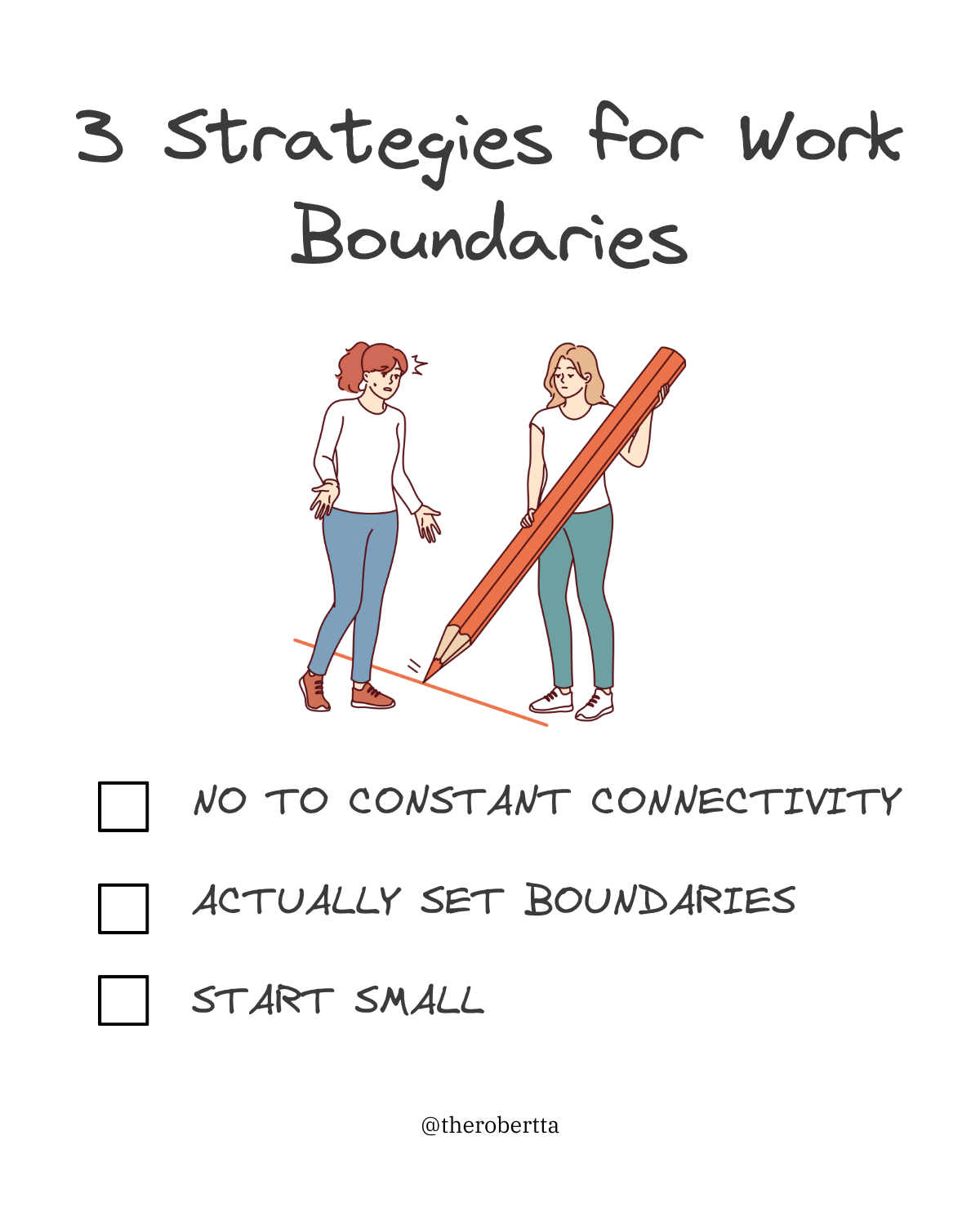
3 Strategies For Workaholism
1. Recognize That Constant Connectivity Isn’t Sustainable
- Burnout Benefits No One: Working nonstop leads to decreased productivity and increased errors over time.
- Quality Over Quantity: Being always “on” doesn’t mean you’re performing at your best.
- **Work Will Go On: **The reality is that the pressure you feel is just from yourself. Work goes on. Life goes on. Let your team be without you—it’s healthy.
*“But my job demands constant attention!”*Change your thinking:
I wanted to maintain the air of being responsive, approachable, available.
That’s how I burned out.
Here are 3 strategies for unplugging and creating boundaries around work.
I realized that by not taking breaks, I was actually doing a disservice to myself and my team.
2. Actually Set Boundaries
- Communicate Clearly: Let your team know your core working hours.
- Emergency Protocols: Establish what constitutes an urgent issue and how you’ll be contacted.
- Evening Wind-Down: Set a time after which you stop checking work messages.
- Weekend Boundaries: Allocate specific times for work, leaving the rest free.
By setting expectations and clear boundaries, I found that urgent matters were rare, and most things could wait until the next day.
We oftentimes need to just zoom out and realize we’re not in a business of life or death situations. (Perhaps you’re in healthcare, and you are—in that case, more power to you. Still, I urge you to create boundaries though.)
3. Start Small First
- Start Small:
- Micro-Breaks: Take 5-minute breaks every hour to reset.
- Tech-Free Meals: Avoid devices during lunch or dinner.
- Modeling Healthy Behavior: Set boundaries and show your team it’s okay to set boundaries. By doing this, you encourage your team to do the same, reducing burnout across the board.
- Empowering Others: Trust your team to handle responsibilities, which fosters trust, growth, and confidence.
I noticed that when I started to disconnect appropriately, my team became more autonomous and efficient.
That’s because I gave them the chance to work without me.
If I didn’t give them that chance, they wouldn’t have been able to grow.
*🚀 *Breakthrough Recommendation: “The Art of Stillness” TED Talk by Pico Iyer
If you’re struggling to find peace in the midst of constant crazy life chaos, this TED Talk is a must-watch.
The author is a travel writer, and talks about being in a taxi after work in Time Square, realizing he was racing around so much that he could never catch up with his life.
He had manifested the life he dreamed of as a boy: a nice apartment, interesting friends, a fascinating job.
But he couldn’t quite separate himself enough from his identities to figure out if he was truly happy.
He felt like he was constantly catching up, and so he couldn’t even understand if he was truly happy.
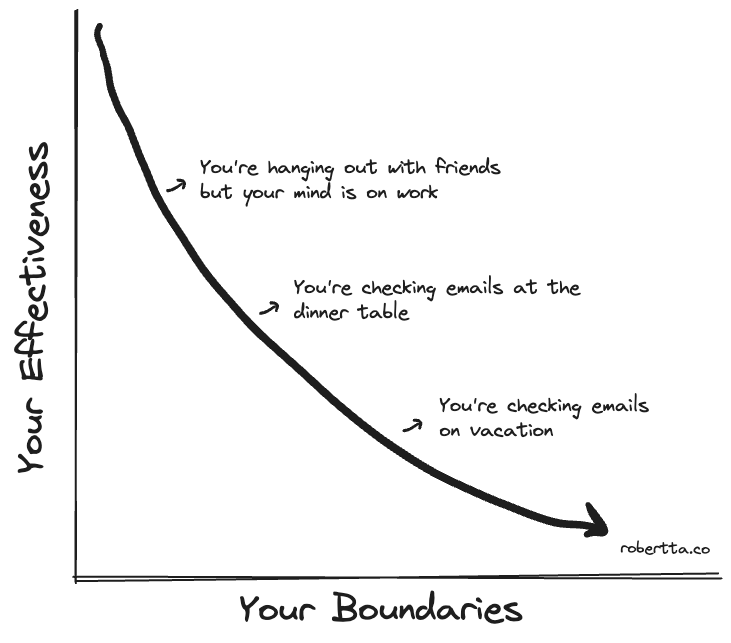
He suggests that taking time to be still actually enhances creativity and effectiveness rather than the opposite.
*“What will my team think if I’m not always available?”*Change your thinking: *“I can’t just ignore emails—what if something urgent comes up?”*Change your thinking:
*“I don’t have time to unplug for hours!”*It’ll convince you that you need to just sit still.
“So in an age of acceleration, nothing can be more exhilarating than going slow. And in an age of distraction, nothing is so luxurious than paying attention. And in an age of constant movement, nothing is so urgent as sitting still.”He abandoned his dream life for a single room in Kyoto, Japan.
He found happiness in being still, and finding peace.
Sometimes I find that leaders put the pressure of the world on them.
Continue reading
Get the full newsletter, free.
Join founders and builders who read Self Aligned every week.
Key Takeaways:
“In an age of constant movement, nothing is more urgent than sitting still.”
Even brief moments of stillness can have a significant impact.
“Going nowhere…isn’t about turning your back on the world; it’s about stepping away now and then so you can see the world more clearly.”
Stepping back doesn’t mean you’re neglecting your duties; it means you’re preparing to engage more effectively.
“Americans are working fewer hours than 50 years ago, but we feel as if we’re working more”
We can make contact with people across the world, but the hyper-connectivity can make you lose contact with yourself.
Think about that.
What I Did This Week
This past weekend I decided to take my own advice and implemented a “Tech-Free” day.
I put my phone on Do Not Disturb for the day. I didn’t check emails.
I took my dogs out on a hike, I rode my bike, and I got a climbing workout in.

The result?
I felt insanely rejuvenated.
Taking time for myself, gave me more energy to be even more productive.
💥 Challenge: Sit Still
Set aside 15 minutes each day to sit in stillness without any devices or distractions.
Here’s how:
- Choose Your Time: Find a consistent time each day—morning, midday, or evening. Just pick some time and make space.
- Create a Calm Environment:
- Quiet Space: Find a spot where you won’t be interrupted.
- Comfortable Seating: Sit comfortably and just be still.
- Focus on Being Present:
- Notice Your Breath: Pay attention to each inhale and exhale.
- Observe Your Thoughts: Let them pass without judgment.
Just appreciate the moment.
By embracing moments of stillness, you begin to recharge your mind and spirit, making it easier to disconnect from the relentless pace of work.
Liked this article? 💚 Click the like button.
Feedback or addition? 💬 Add a comment.
Know someone that would find this helpful? 🔁 Share this post.
P.S. Want reminders on growth, empathy, and leadership? Follow me on LinkedIn, Threads, and Twitter.