
This Week’s ABC…
Advice of the Week: How I Get Buy-In
Getting buy-in is tricky.
You need people to support your idea, but no one wants to feel like they’re being forced into it.
3 Ways To Get Buy-In:
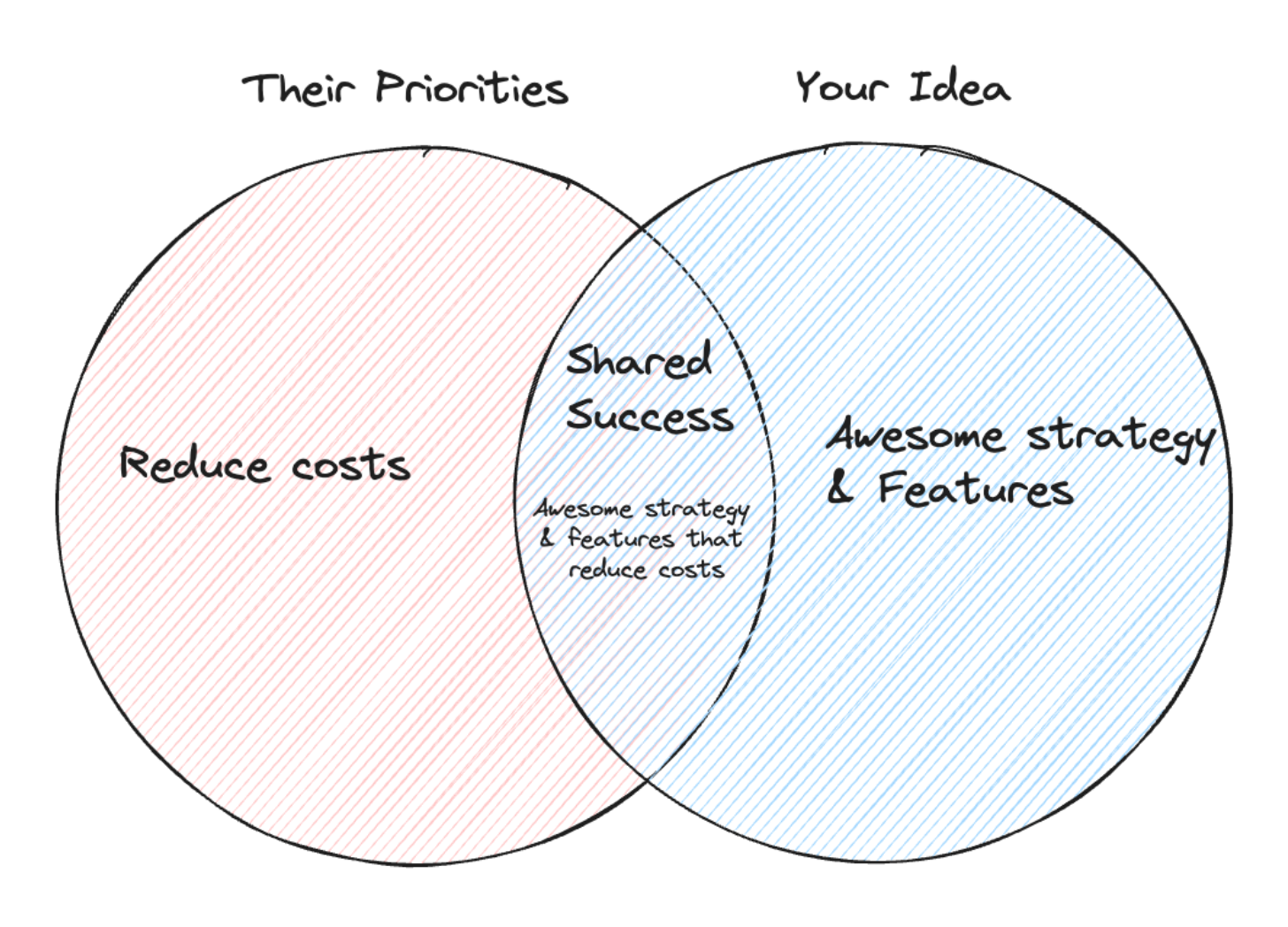
Frame the Idea in Their Terms
So when pitching, shift the focus.
Example: Instead of saying, “I need your support on improving our product analytics,” say something like,
“This new feature will help the sales team pinpoint why certain deals are stalling, which could boost our conversion rates.”
You’re aligning your product improvement with a business-wide goal—growing revenue.
Start Small—Build Momentum
No one jumps onto a moving train at full speed. Get small agreements first.
Ask for feedback, get them invested.
With each**“yes”** you’re building momentum toward full buy-in.
You’re planting seeds for future success.
Example: In your initial meetings to gain traction on your idea, start by saying something like, “I’d love your feedback on this initial prototype—it’s just a first step.” Get them involved early with small inputs. As they see their ideas being incorporated, they’re more likely to champion the larger vision down the road.The key? Make it about them, not you.
Advice of the Week: How I learned to make others want to support my ideas.
Breakthrough Recommendation: A game-changing TED talk that teaches you the art of influence.
Challenge: A 10-minute exercise to get buy-in for your next idea without breaking a sweat.
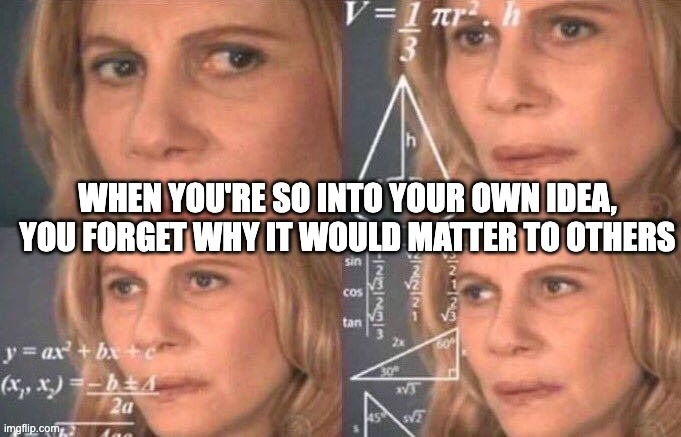
People care about their own goals, not yours.
Anticipate Objections Before They Arise
If you can predict it, you can address it upfront, turning objections into opportunities for discussion, rather than shutdowns.
Acknowledge their concerns, then pivot to how your solution still benefits them.
**Example: **If you know the leadership team is concerned about budget overruns, say upfront something like, “I know costs are top of mind, so I’ve mapped out how this feature can be implemented using existing resources while still staying on track for Q3 targets.”
You’ve preemptively addressed their main concern, and now the conversation shifts to benefits vs. obstacles.
And that brings us to this week’s breakthrough…
Breakthrough Recommendation: “Never Split The Difference” – Chris Voss TEDx Talk
Negotiation is a huge part of getting buy-in, and no one breaks it down like former FBI hostage negotiator Chris Voss.
His book, Never Split the Difference, teaches you how to negotiate in a way that doesn’t just get you a “yes,” but a “hell yes.”
Why It’s Awesome
If it works for hostage situations, it works for your next meeting. (and to convince your child to eat broccoli, or your partner to go see the in-laws)
The reason?
We’re all human.
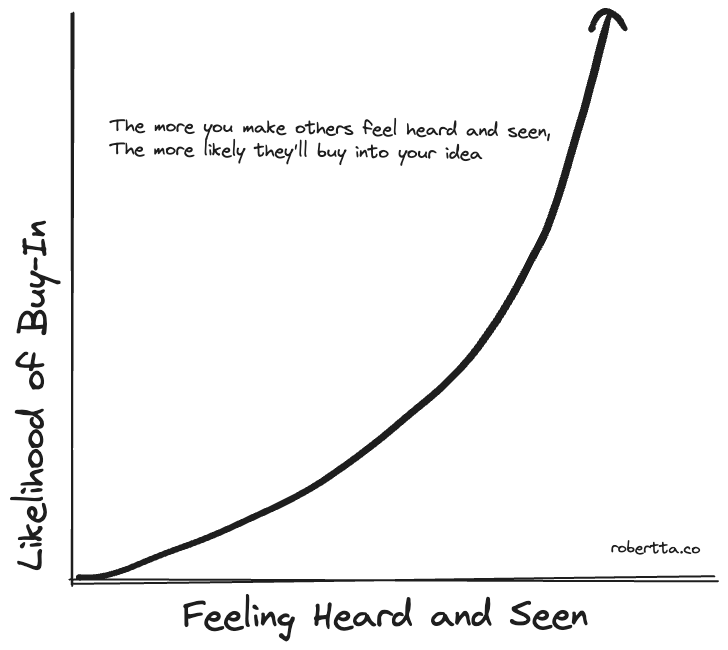
We all need to feel heard and seen.
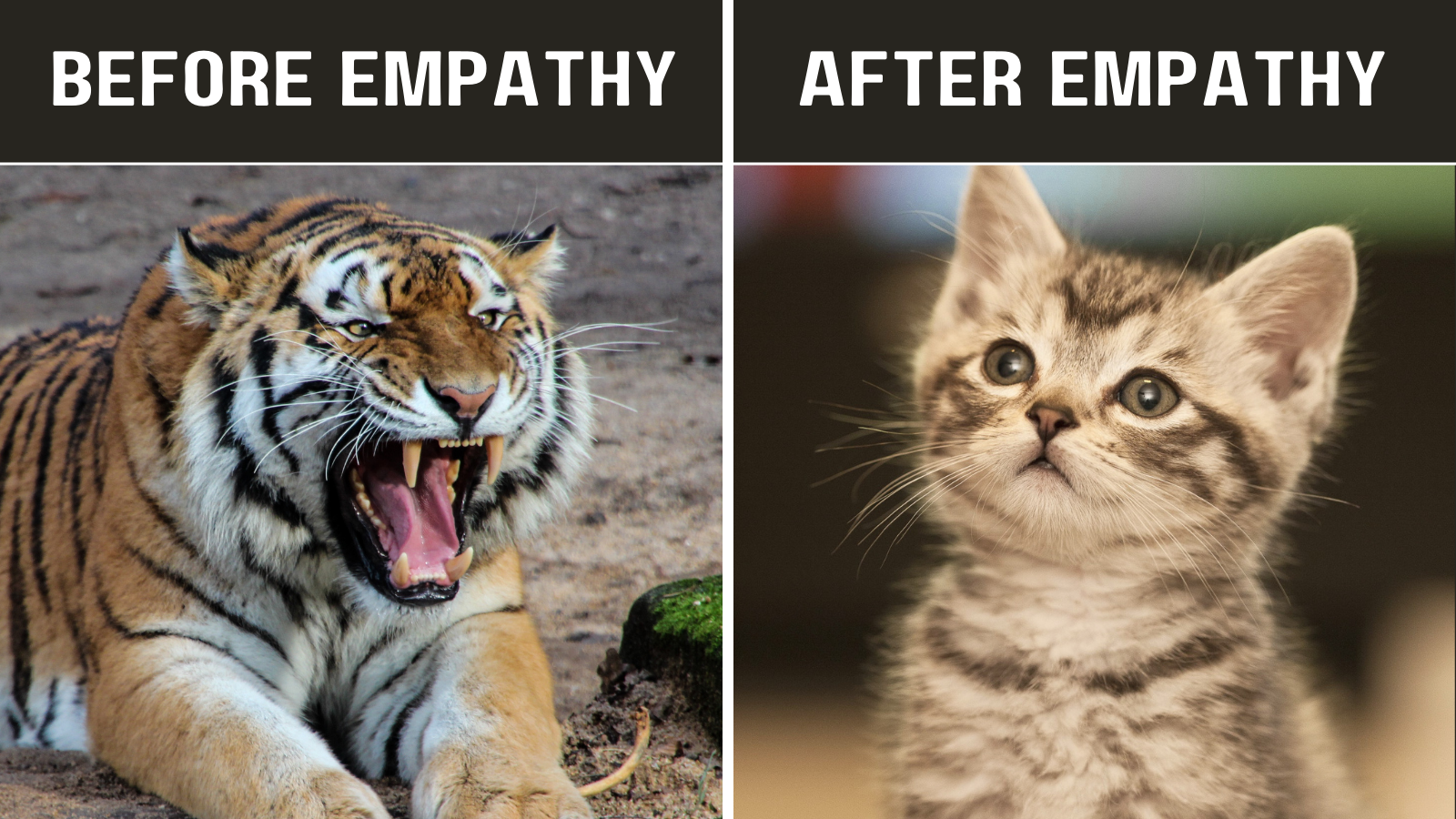
Tactical empathy is taking an inventory of the perspective of the person you’re talking to.
It is about describing and demonstrating an understanding of the needs, interests, and perspective of your counterpart without necessarily agreeing.
It’s NOT about liking them or giving sympathy in any way.
It is about making the other person feel heard and seen.
How can you use negotiation techniques to build buy-in?
Here’s a 3 step framework you can use
Mirroring
When someone raises a concern or objection, you repeat the last few words they said, almost like a question.
“How are you supposed to split the difference with some bad guy who’s got four hostages he wants a jet to Cuba and a million dollars. You say alright we’ll take two hostages we’ll give you a helicopter to New Jersey and you’ll take an Uber from there. Of course not.” —Chris VossBefore you even pitch, ask yourself: Why would they say no? Example: If they say, “I don’t think this fits with our priorities right now,” you respond with, “It doesn’t fit with your priorities?” This technique prompts them to clarify and explain further, which opens the door to deeper understanding.All of this comes down to empathy.
Voss shows that negotiation is making the other person feel heard and understood.
I’ve used these strategies to ensure my pitches always have a high chance of success.
I’ve used these strategies to turn unconvinced naysayers into unrelenting supporters.
We’re all emotional beings.
Continue reading
Get the full newsletter, free.
Join founders and builders who read Self Aligned every week.
Labeling
Label their emotions.
People need to feel understood before they’re willing to buy into your idea.
Example: If someone seems hesitant, say, “It seems like you’re concerned this will take too much time, and there’s too much risk.”
This shows that you’re aware of their feelings and validates their concerns, making them more open to listening.
The “No”-Oriented Question
Voss teaches us that getting a “no” can actually be more productive than pushing for a “yes.”
Example: Instead of saying, “Can I count on your support?” try something like, “Would you be opposed to brainstorming this idea a bit more?”
People often feel more comfortable saying “no,” but in doing so, they’ll also start explaining their reasoning, which gives you an opportunity to align your idea with their goals.
Watch his talk here.
What I Did This Week
*I stood in front of the executive team, ready to pitch. *
This wasn’t just another product update—it was the strategy to unify our efforts and accelerate healthy long term growth.
“What if we could improve our time to market and reduce our costs?” I asked.
*I saw their interest peak. *
I didn’t focus on features—I emphasized how this would drive the outcomes we wanted.
*The questions that followed weren’t defensive—they were collaborative. *
They were discerning questions about the “how”, not the “why”. We already settled on the “why”.
By the end, the SVP was asking how we should accommodate this in the budget for next year.
*I wasn’t pitching anymore. *
I had them on board.
Challenge: Control What You Can, Let Go of the Rest
In your next pitch (to your kid, your partner, your boss), use tactical empathy.
Mirror them.
Label their feelings.
Then frame the idea in their terms.
Then, listen actively and weave their input into the idea.
You’ll be surprised how quickly buy-in follows.
You got this!
Please take a 1 second survey to help me make this newsletter better for you.
Know someone that would find this helpful? 🔁 Share this post.
P.S. Want reminders on growth, empathy, and leadership? Follow me on LinkedIn, Threads, and Twitter.