
Burnout sucks, it’s real, and it hits everyone from high-flying execs to students in school.
Burnout doesn’t discriminate.
However - burnout doesn’t have to be the end of the world.
This week’s ABC is all about understanding burnout, finding your way back from the edge, and building some** resilience practices** to protect yourself.
This Week’s ABC…
- Advice of the Week: Easy steps to spot burnout and start your comeback.
- Breakthrough Recommendation: A TED talk to help you kick burnout to the curb.
- Challenge: Take action, pamper yourself a little, and set some boundaries to keep burnout away.
Advice of the Week: Spot the Signs and Start Your Comeback
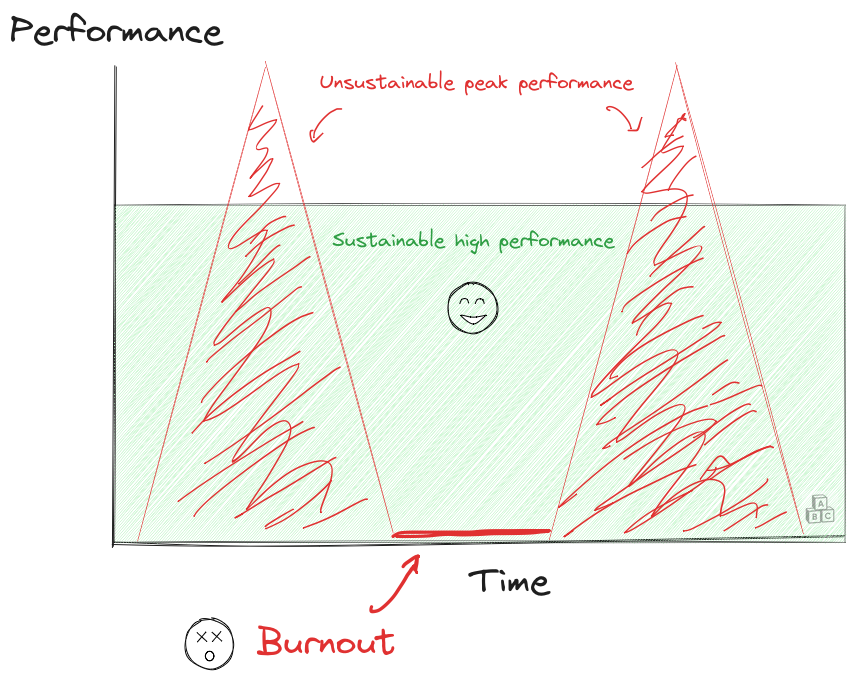
Or put more simply…
Life Lesson
Back in 2017, I had a consulting assignment early on in my career, where I was brought into a turnaround business situation that was on fire.
The clients were difficult to manage, and they had already been through 5 consultants who failed before me (which, they always wanted to remind me of).
I worked 12-16 hour days for 2 months, on that one project, AND had to travel across the country multiple weeks to complete the assignment.
I skipped the gym.
I gained weight.
I didn’t hang out with my friends, family, or significant other.
I basically did NOTHING to recharge my batteries. And I gave away all my energy to that consulting job.
Then I burned out.
It SUCKEDDDD.
If you’re anything like me, your mind will trick you into thinking that you should go be of service to others even if you have nothing in the tank.
Your mind (and mine) is wrong.
You can’t pour from an empty cup.
I learned that the hard way.
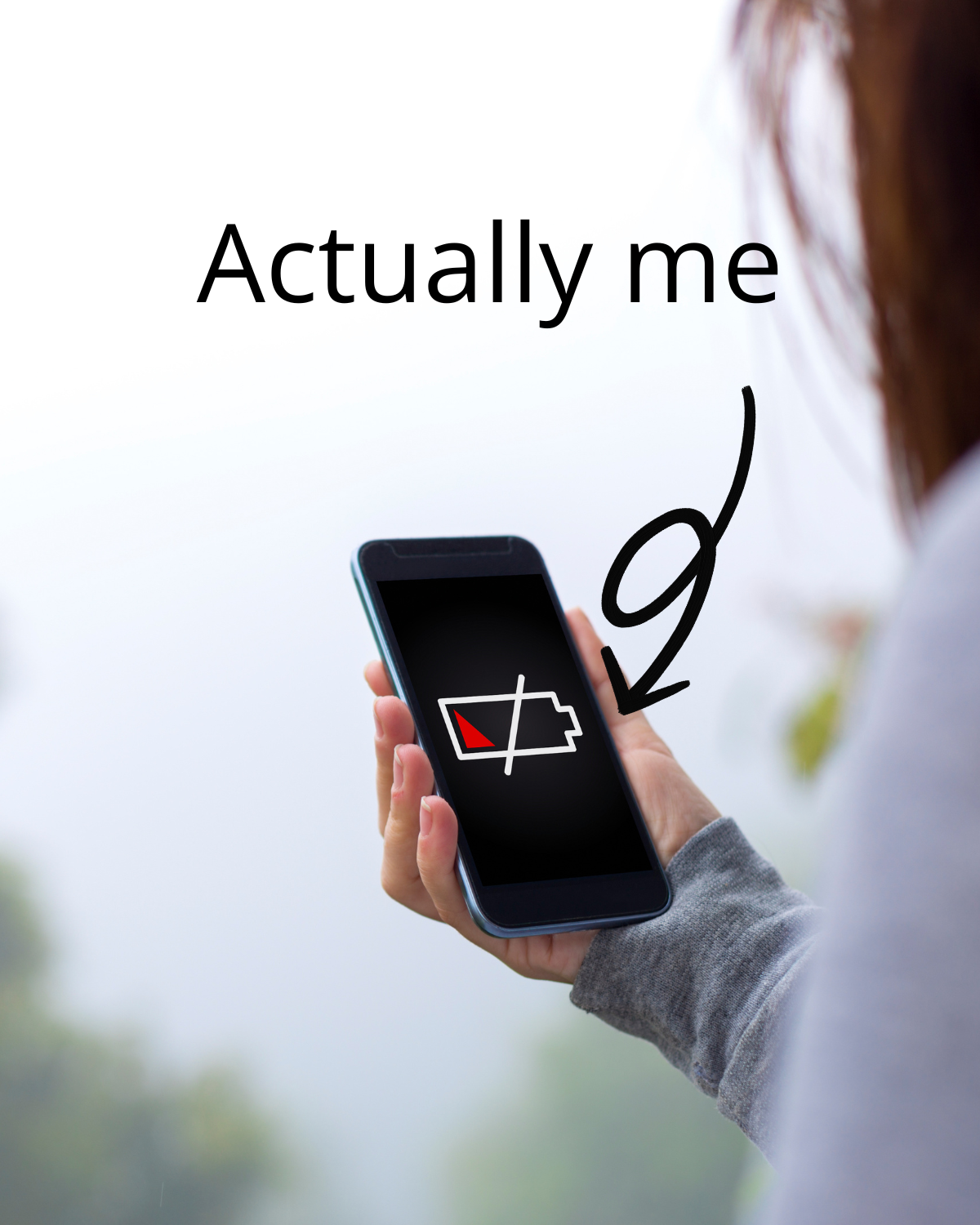
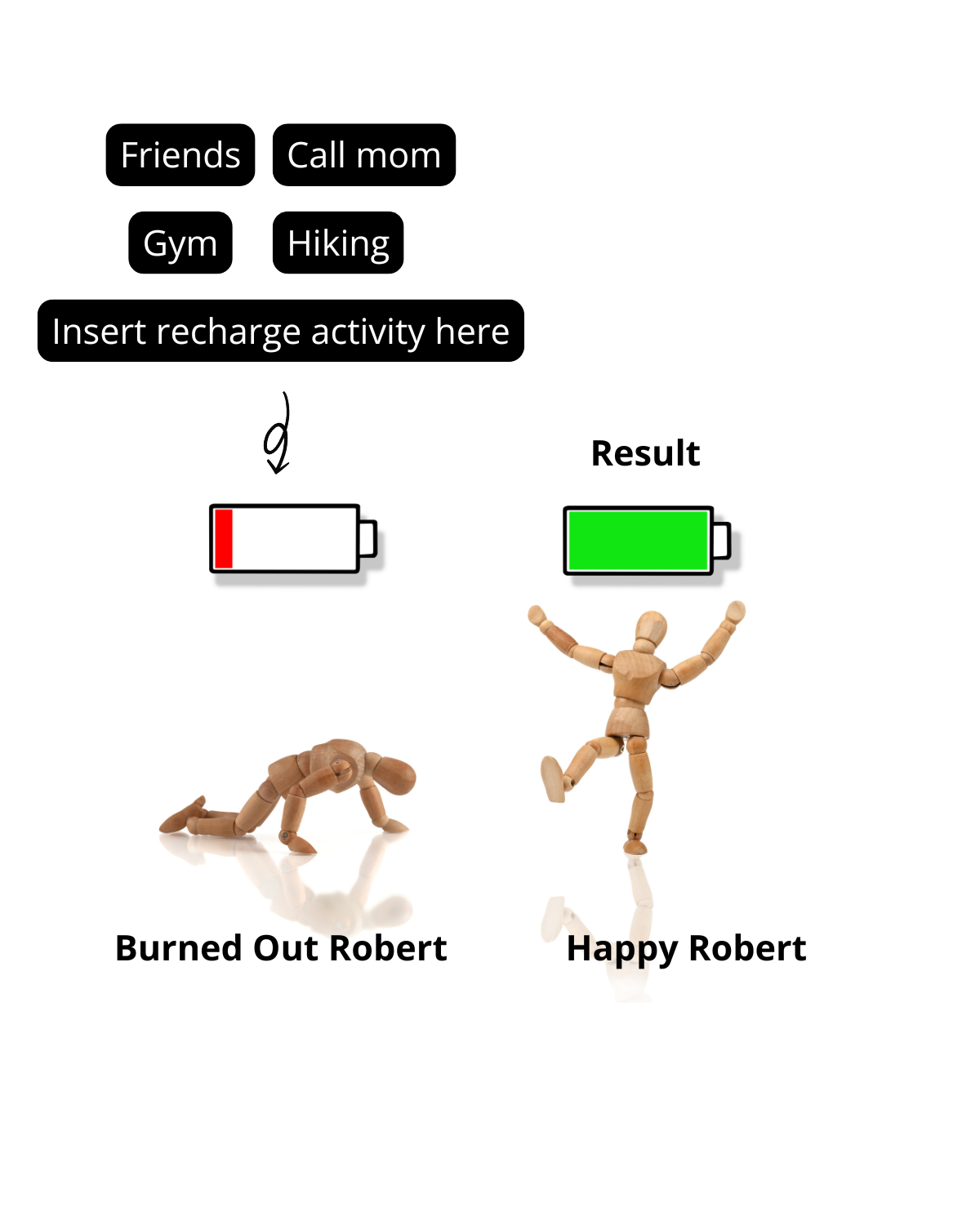
I picked myself back up, and even though I didn’t want to, I…
- Went to the gym
- Forced myself to go hangout with friends
- Called my family
- Had fun dates with my significant other
- Went hiking
All of these trickled some charge back into my batteries over time. And slowly, ever so slowly…
I became less and less burned out and found myself again.
I was feeling energetic and optimistic again.
It took a long time though, and I promised myself I would never do this again.
Burnout doesn’t just appear out of nowhere; it creeps up on you if you are not careful to spot the signs.
I didn’t know it then, but I’ll be damned if I burn out again now.
I’m very keen on figuring out the early warning signs so I can maintain sustainable high performance, and never reach unsustainable** peak performance.**
And you should be too.
So what is burnout?
The 3 Components of Burnout
- Emotional Exhaustion: That feeling of being completely physically and emotionally drained. You’re running on empty, and it’s hard to muster up the energy to face another day.
- Depersonalization: Feeling detached, cynical, or even resentful towards your work or the people you interact with. You might find yourself going through the motions, feeling numb, or even experiencing a sense of apathy.
- Decreased Sense of Accomplishment: Feeling like you’re not making any progress, no matter how hard you try. You might doubt your abilities, feel like your work doesn’t matter, or struggle to find any sense of satisfaction or meaning in your work or achievements.
There’s an important distinction (and these are broad sweeping generalizations, your mileage may vary):
For men - burnout tends to manifest as depersonalization in particular.
For women - burnout tends to manifest as emotional exhaustion in particular.
Okay now that we know the signs… let’s talk a little about stress and how to avoid burnout.
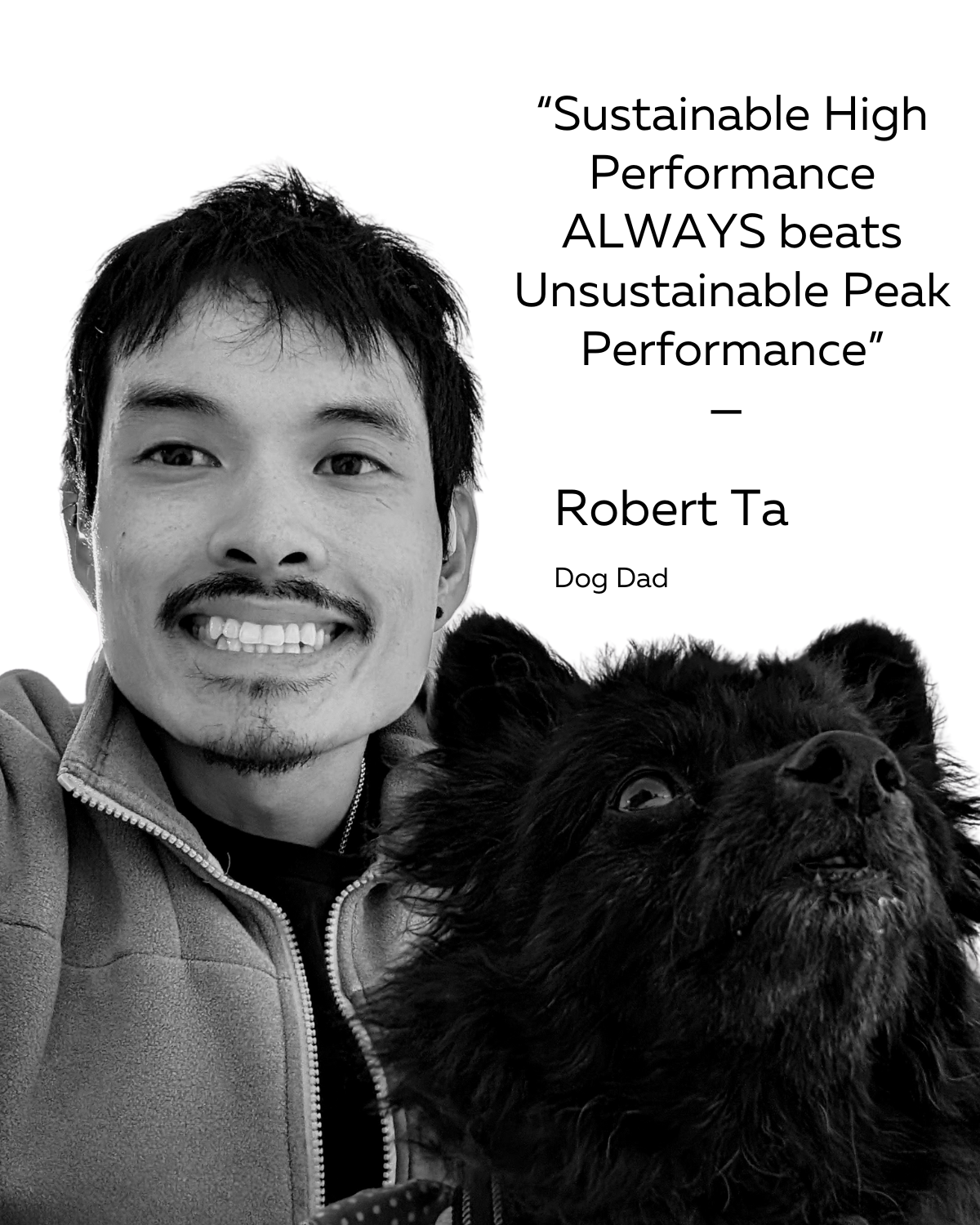
Sustainable High Performance > > > Unsustainable Peak PerformanceYou can bounce back, and even better, you can stop it from happening again.
I have a saying that comes from hard lessons learned…
There was a lot of pressure on me to succeed.
I had no motivation for a while.
I felt gross and not confident in myself. I was fantasizing about a different job.
**Breakthrough Recommendation: “Emily Nagoski and Amelia Nagoski: The cure for burnout (hint: it isn’t self-care) | TED” **
This TED talk is a total game-changer for understanding and dealing with burnout.
The Nagoski sisters, burnout experts, give you a whole new perspective on why we burn out and how to get back on track.
They actually wrote a book, “Burnout: The Secret to Unlocking the Stress Cycle”. Check it out when you have time!
They explain how important it is to complete the Stress Response Cycle, which means getting your body moving to process and release stress hormones.
The Stress Response Cycle
Your brain activates your body into a fight/flight/freeze state - you’re running on adrenaline.
We’ve been wired this way since the dawn of time to protect ourselves from sabertooth tigers (back in the day), which worked really well when we were cave people.
Threats in the modern day can be: information overload, job insecurity, heavy workloads, blurred lines between work and personal life, verbal put downs, bullying or harassment, performance anxiety, conflict, and more.
Stress actually causes physiological symptoms. It manifests in the body and can turn into illness.
Literally - stress can make you sick.
The Stress Response Cycle
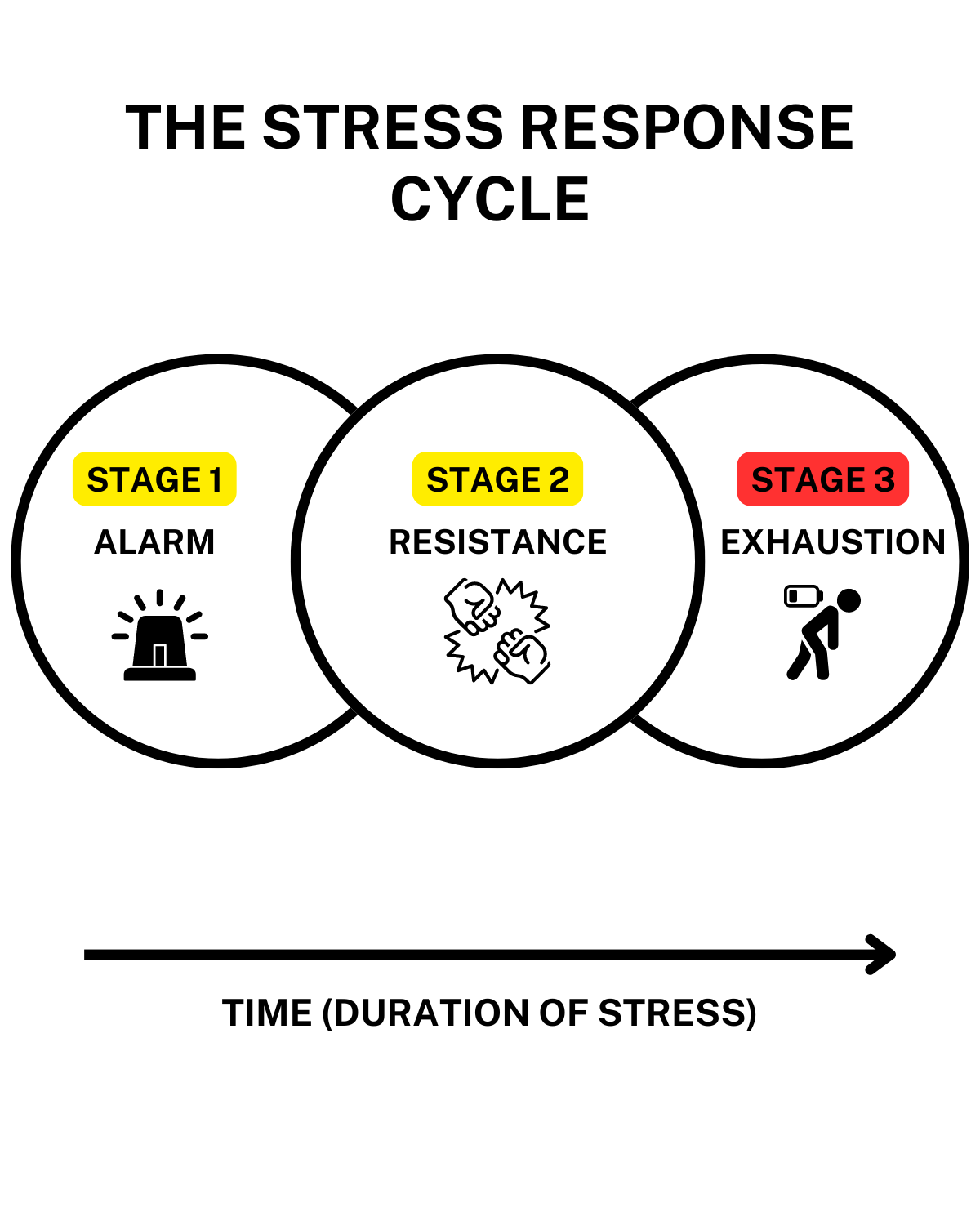
Alarm Stage
When you perceive the threat, and you go into fight/flight/freeze mode.
You may experience increased heart rate, rapid breathing, a surge of energy, and heightened awareness.
Resistance Stage
Once the initial threat subsides (you get moving, you do some exercise), your blood pressure and heart rate begin to normalize.
If your brain thinks you are unsafe (looming deadlines, the threat of poor performance, etc.) then you may experience poor concentration, irritability, or frustration. You might not be fun to be around.
Exhaustion Stage
Not completing the stress cycle can lead your body to repeat the stress response. This leads to chronic stress, which can lead to the following non-exhaustive list:
- heart disease
- stomach ulcers
- sleep dysregulation
- psychiatric disorders
- depression
- anxiety
- fatigue
- burnout
BURNOUT! That last one! That’s why we’re here!
Understanding how stress works leads to understanding how burnout works, so you can recover from and prevent it.
- Physical activity (exercise, dancing, sports)
- Creative expression (art, writing, music)
- Laughter (watch some comedy)
- Crying (having a good cry is therapeutic)
- Physical affection (hugs, cuddling with pets - I do this with Nibbler all the time)
- Deep breathing exercises (personally I like the Wim Hof method)
Do these things, even if you don’t want to and feel inertia too.
Stress is the physiological response in your body to any perceived threat. Now though, we’re not running away from sabertooth tigers (well, at least most of us).
And you can’t be high on adrenaline forever - that’s not sustainable.
So understanding the Stress Response Cycle is key, to preventing and recovering from burnout.
WE DON’T WANT BURNOUT!
To do that, follow these tips for breaking free of the stress cycle to avoid chronic stress:
Continue reading
Get the full newsletter, free.
Join founders and builders who read Self Aligned every week.
Because you know it’s good for you.
Watch the TED talk here:
My Favorite Quote:
“Burnout is when you show up for work but when you spend the day fantasizing about being at a different job.”
“The cure for burnout is not ‘self-care’; it is all of us caring for each other.”
Actionable Takeaways
- Complete the Stress Cycle: Get moving to process stress - exercise, dance, or even a power walk will do the trick. Or destress with creativity, laughter, physical affection, deep breathing, and meditation. Whatever works for you.
- Rest and Relaxation: Get enough sleep, take breaks during the day, and schedule some downtime in your evenings and weekends.
- Set Boundaries: Learn to say “no” to extra work or commitments when you’re feeling overwhelmed.
- Connect with Others: Hang out with supportive friends and family, or join a group or community where you feel like you belong.
- Find Meaning in Your Work: Think about why you do what you do and how your work makes a difference in the world.
- Notice The Physiological Signs: Be more aware of feelings you have that may be uncomfortable in your body. This is a sign you need to take care of yourself. Everybody is different - you will need to develop this sense and self-awareness for yourself. You got this!
What I Did This Week
Lately, I’ve been working really hard.
Almost too hard… I realized I was pushing myself too much.
So I took a mental health weekend instead of working on my side projects to spend time in Yosemite with my dogs. I went hiking, climbing, and caught up with loved ones.
I had so much fun and minimized my technology time! Woohoo!
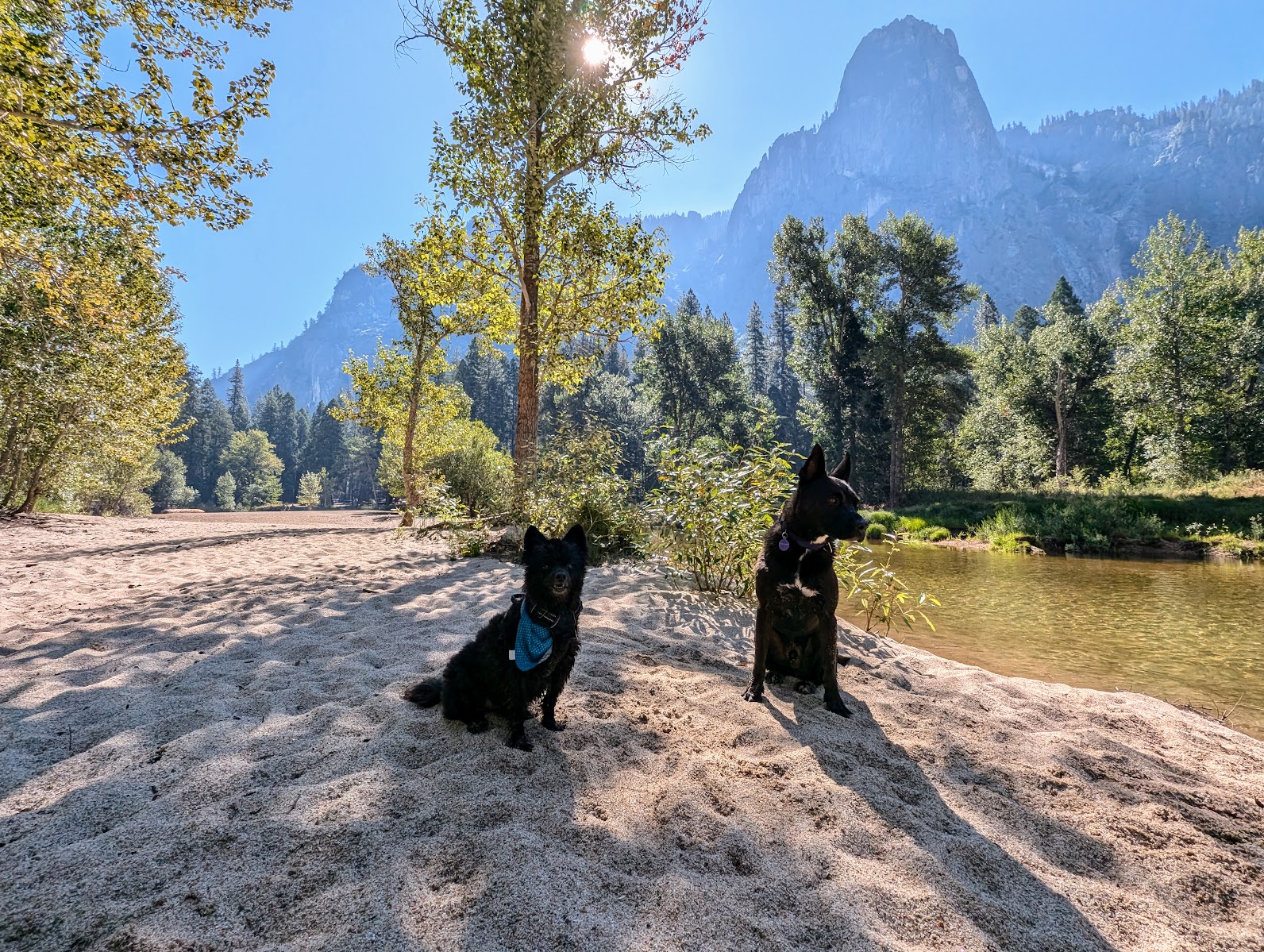
How could I not have fun? Look at these cuties.
Now I feel GREAT!
Challenge: Recharge Intentionally and Set Boundaries
This week, add at least one recharge activity to your routine and set one clear boundary at work.
Do it. Even if you don’t want to.
Your future self will thank you.
YOU GOT THIS!
Share your experience in the comments – I want to hear how prioritizing your well-being changes your life! 😊
Why Subscribe?
Each week, you’ll receive 1 ABC (Advice, Breakthrough, and Challenge) that will save you months of time and speed up your growth:
- Advice:* Simple life lessons and stories with actionable steps to level up your personal development and leadership skills.*
- Breakthrough Recommendation:* Curated insights or resources to accelerate your growth and career.*
- Challenge:* Exercises, reflections, or mental models you can immediately apply in your daily life to improve your leadership, transform your communication, and master your emotions.*
Join a community of like-minded people who are all about growth!
Thanks for reading! You can get more actionable insights and advice to help you grow in my newsletter. Each week, I share 1 piece of advice, 1 breakthrough recommendation, and 1 challenge for people interested in growing. Join us!
Stay tuned for next week’s edition!
P.S. Want reminders on growth, empathy, and leadership? Follow me on LinkedIn.