
IMPOSTER SYNDROME.
The problem is that most people don’t get past Imposter Syndrome because they don’t have actionable steps to do it.
I’ve been there.
Let’s dive into actionable steps on how to overcome Imposter Syndrome and turn self-doubt into confidence.
Advice of the Week: Focus On Your Growth, Not Your Fears
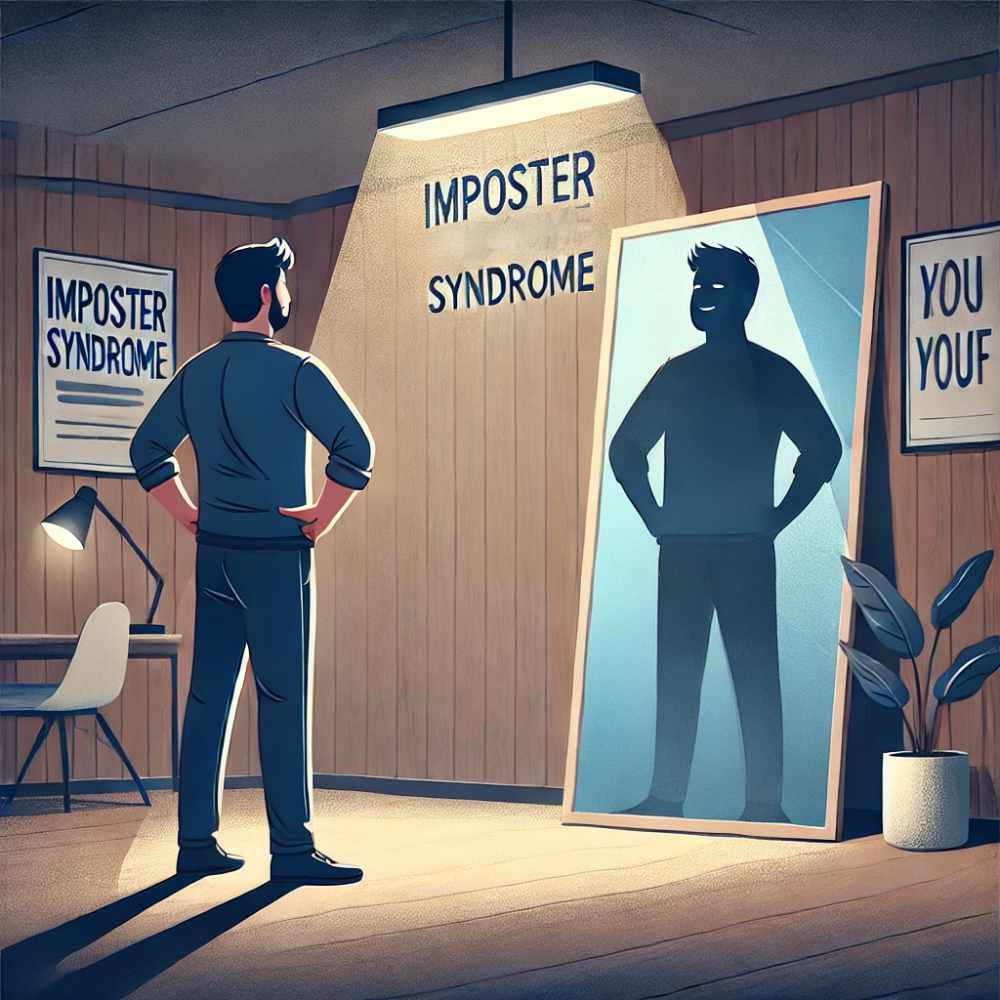
Years ago, I stepped into a new leadership role.
Everybody around me was twice my age, and I was put on the spot and being asked important questions. I was looked to for direction and guidance.
One day, during a particularly stressful project, a mentor of mine noticed my anxiety because I was being a perfectionist about everything.
She pulled me aside and shared her own experiences with imposter syndrome and offered advice that changed my perspective:
This advice was transformative and I’m incredibly grateful for the advice.
**My key learning: **imposter syndrome is normal - and it just means you have an opportunity to grow.
I have worked on this issue throughout the years and I’m sharing what has worked for me.
3 Tips to Conquer Imposter Syndrome
- Keep a Smile File: This is one of the best pieces of advice I EVER got. Write down your achievements, big and small. When self-doubt creeps in, revisit this Smile File to remind yourself you belong at the table.
- **Reframe The Situation: **We’ll dive deeper on this in the next section.
Breakthrough Recommendation: TED Talk by Dr. Valerie Young - “Thinking Your Way Out of Imposter Syndrome”
*“Everyone feels like an imposter sometimes. Focus on your growth, not your fears.”*1. Recognize It In The Moment: When you’re feeling anxious, uneasy, and questioning yourself - take a step back. Take a breath. Understand that many people feel this way. You’re not alone. I’ve talked to EVPs and CxOs that have imposter syndrome. It’s common - everybody has it.
Many people, even the most successful ones, experience this.
It haunts them - constantly creating anxiety and self-doubt that can stagger careers.
It was a big opportunity, but I felt scared and unqualified. Thoughts like “What if they find out I don’t belong here?” haunted me.
This is what imposter syndrome feels like. You question yourself endlessly.
Why It’s Awesome:
Dr. Valerie Young is an expert on imposter syndrome.
In her TED Talk, she explores the common patterns of imposter syndrome and provides practical strategies to overcome it in a short 7 minute video.
Reframing is about taking a different perspective - a growth oriented one - about the situation you are facing and giving it a positive spin.
Reframing is a skill - the more you do it, the more you exercise that muscle and get better at it.
And the more you do it, the easier it will be to keep the Imposter Syndrome demons away!
**Watch it here: **Thinking Your Way Out of Imposter Syndrome
My Favorite Quotes:
These quotes really resonate because it shows that it’s all in the way you think.
Use it.
Actionable Takeaways
How To Reframe
When you have an imposter thought, reframe it. Here are some examples:
Reframe: “Continuous learning and growth are part of my values and my journey. Seeking feedback and improving is a strength, not a weakness.”

“You don’t have to feel confident to act confident. And overtime, you believe the results. Use reframing to talk down your imposter moments.”Her advice on reframing your thinking can really help you build confidence and self-assurance. “Do you want to stop feeling like an imposter? Then you have to stop thinking like an imposter.”Reframing is a powerful growth mindset tool.
“No one likes to fail. No one likes to make a mistake. No one likes to not know the answer. Or to have an off day, or to struggle to master something. But when these things happen to imposters… we experience shame… Non-imposters know they can’t be brilliant at everything - and they’re fine with that.”Imposter Thought: “Everyone else is more qualified than I am.”
Reframe: “I bring a unique perspective and valuable experience to the table. My contributions are important and valued. That’s why I’m here.”
Imposter Thought: “I’m afraid people will find out I’m not as competent as they think.”
Do it even if you don’t believe it, and over time you will believe it.
Continue reading
Get the full newsletter, free.
Join founders and builders who read Self Aligned every week.
Use a Smile File - DO IT!
I’m going to repeat this again because it honestly helped me so much and I’m hoping it helps a reader out there too.
Collect screenshots or write down **great feedback **from people, accomplishments, achievements, milestones that you’ve gotten.
Things that make you smile and feel confident about yourself.
Put them into a doc, or a note, or whatever you want.
One of my favorite compliments I ever got was that somebody met my dog Nibbler, and was inspired to adopt a dog because he was so good. It made me feel like the proudest dog dad ever. It’s at the top of my Smile File.
I go back to this when I’m feeling a bit down.

Go to the Smile File when you’re feeling imposter syndrome. You WILL feel better.
What I did this week
I was set to give a tech talk to a large audience. Initially, I was nervous and got butterflies in my stomach.
I reframed it as opportunity to change hearts and minds on a topic I was passionate about.
I focused on my knowledge and the preparation I had done. I delivered the talk confidently and received great feedback from peers I respect.
70+ people signed up from my call to action.
That Imposter Syndrome demon isn’t so loud anymore.
Challenge: Share Your Success
This week, take a moment to share a past success or achievement with someone you know. It can be big or small. Sharing helps you recognize your accomplishments and feel proud of your progress. Then write it in your Smile File.
Start one - seriously. You’ll thank me later.
How do YOU handle imposter syndrome?
Share your thoughts and wins in the comments here! 💪👇
Why Subscribe?
Each week, you’ll receive 1 ABC (Advice, Breakthrough, and Challenge) on Growth:
- Advice:* Simple life lessons and stories with actionable steps to improve your professional and personal life.*
- Breakthrough Recommendation:* Discover powerful books, resources, quotes, and tools to grow your perspective, and why I think they’ll be helpful to you.*
- Challenge:* Small challenges you can undertake alongside a community to nurture your growth, one step at a time.*
Join a community of like-minded people who are all about growth!
Thanks for reading! You can get more actionable insights and advice to help you grow in my newsletter. Each week, I share 1 piece of advice, 1 breakthrough recommendation, and 1 challenge for people interested in growing. Join us!
Stay tuned for next week’s edition!
P.S. Want reminders on growth, empathy, and leadership? Follow me on LinkedIn.