
Advice Of The Week: Losing Control is Never Worth It
I used to get so angry at such small things I’d get an emotional hangover.
It wasn’t good for me or anyone around me - and I always felt terrible after because it was in conflict with my values. I want to be a great dad some day and I deeply do not want to pass on any issues to my future kids.
I spent a lot more time learning about it, and figuring out how to self-regulate. In today’s ABC, I’m going to share some my thoughts and learnings.
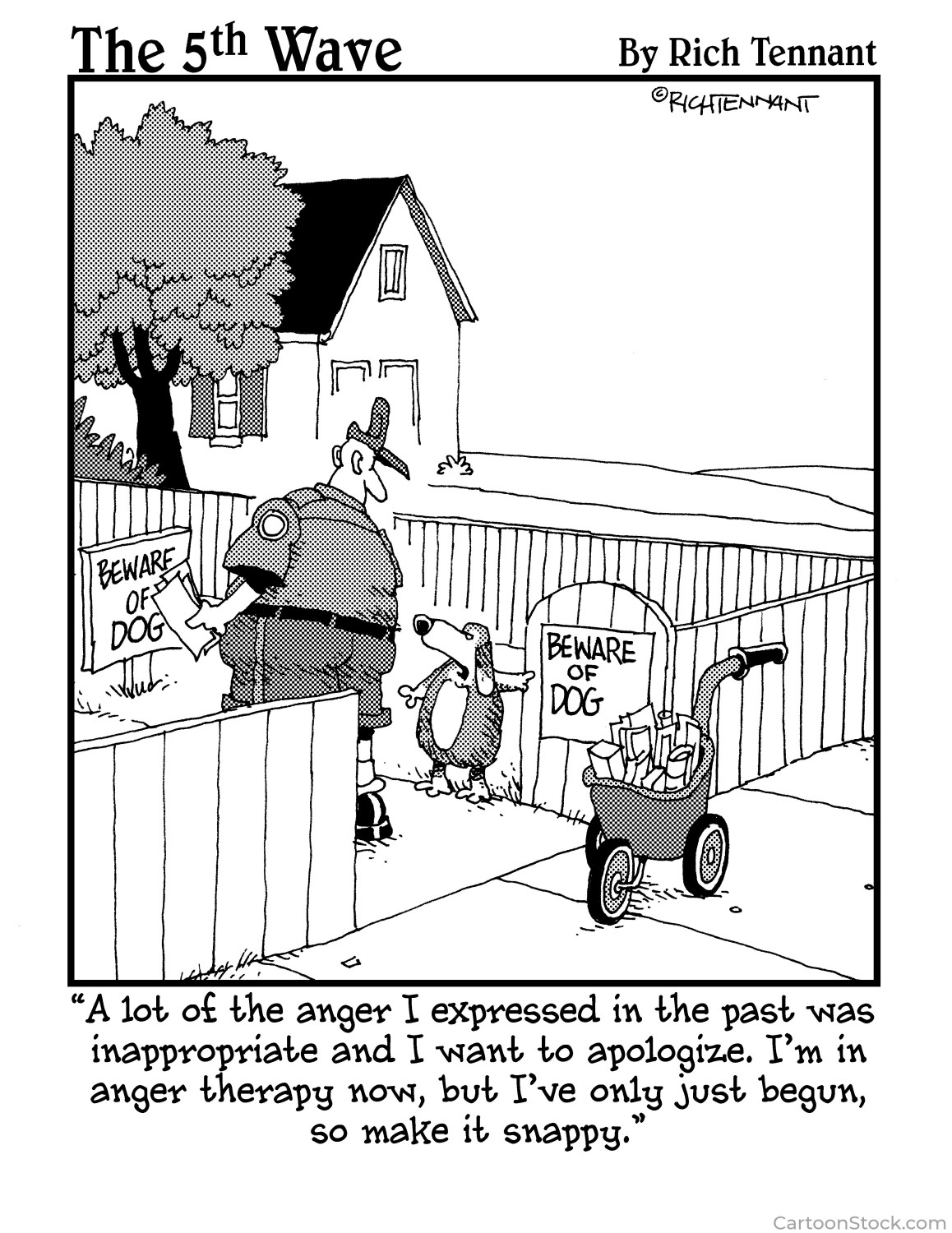
Your gender is also a factor in how your brain is wired for emotional reactions - it’s all down to nature versus nurture at the end of the day and we’re not the first humans to walk the earth.
Men are hardwired for a fight-or-flight response that’s as old as humanity itself. When anger strikes, the body prepares for battle: adrenaline surges, pupils dilate, the heart races, and rational thought takes a backseat. This response was great when dodging saber-toothed tigers to find food, but not so much now when we have food delivery services.
Many times I’ve seen people change when they distance the behavior from their identities.
I’ve been guilty of this.
You have to remember - you’re neither good nor bad inherently, and you’re given what you have and you can make choices on who you want to be.
Your decisions and actions determine who you are.
Years ago, I had an eye-opening experience when I lost a relationship due to me repressing how I really felt in multiple scenarios and finally blowing up. I was heartbroken, regretful, sad, and **ashamed **after. It didn’t have to be this way.
3 Tips to Manage Anger:
Identify Triggers and Emotions: Understand what situations or people trigger your anger. Keep a journal to track these triggers. Identify your emotions during the moment with the feelings wheel. Figure out patterns you see yourself go through. Think of these as habits. Break these habits.
Practice Deep Breathing: When you feel anger rising, take slow, deep breaths to calm your mind and body. I like Navy Seal breathing (aka box breathing) - 4 seconds inhale, 4 second breath hold, 4 second exhale, hold breath again for 4 seconds, repeat.
Communicate Effectively: Use “I feel” statements to express your emotions without blaming others. Try super hard to say “I” versus “you”! The reason for this is that using “you” statements can put the other person on the defensive, which can lead to less likelihood they will want to give you the empathy you seek. Try “I feel like…”, “I perceive that…” or “I am seeing it this way, how about you?”. I’m especially a fan of non-violent communication.
ABCs for Growth by Robert Ta is a reader-supported publication. To receive new posts and support my work, consider becoming a free or paid subscriber.
Many men struggle with anger, often feeling that it’s a sign of weakness or loss of control.
I started going HARD on therapy around this. I still do.
Acknowledging and managing anger (and all of your emotions) is a strength, not a weakness.
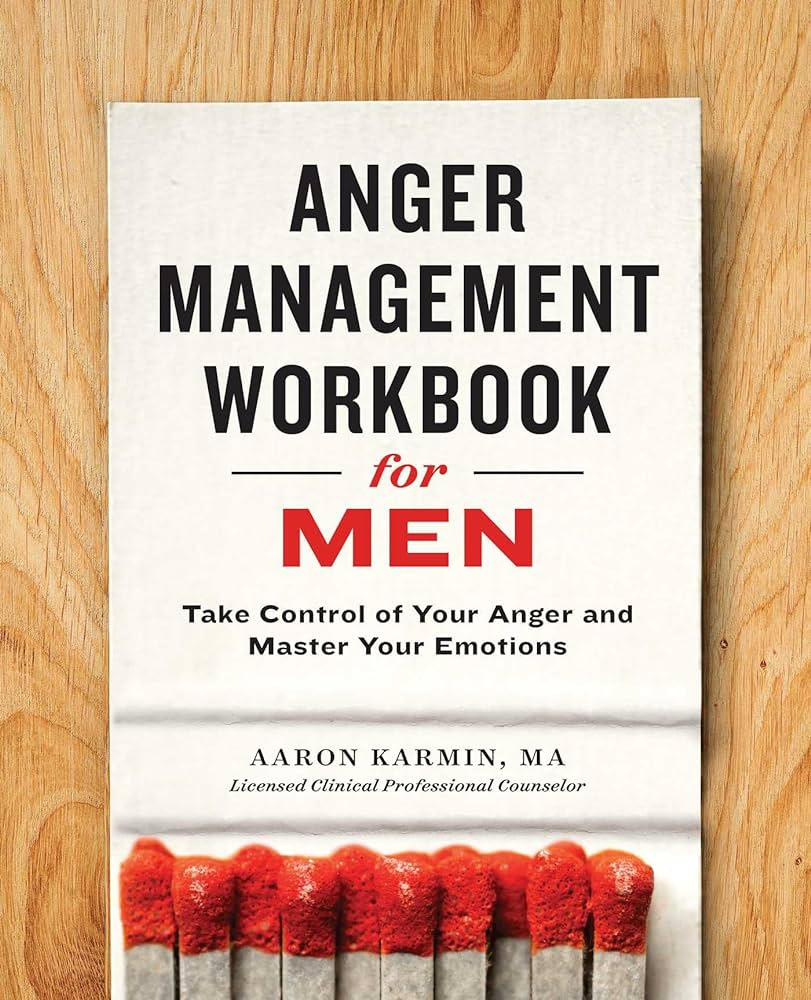
Breakthrough Recommendation: “Anger Management Workbook for Men - Take Control of your Anger and Master Your Emotions” by Aaron Karmin
Unfortunately or fortunately, one thing I’ve learned in life is that sometimes it takes a pain greater than you’ve ever known you can feel, to get your butt moving the right way.I’ve learned that anger isn’t just an emotion; it’s a biological, psychological, and social puppeteer pulling strings you didn’t even know existed.
This workbook provides practical tools and strategies tailored for men to understand and manage their anger. It’s filled with exercises and reflections that help you gain control over your emotions and reactions. I found it very actionable, and I can’t even begin to explain how much it personally helped me to improve my relationships with myself and others.
2 of My Favorite Quotes from the book:
“Anger is a secondary emotion, meaning it is a reaction to other underlying feelings such as fear, frustration, or hurt.""If you are patient in one moment of anger, you will escape a hundred days of sorrow.”
Understanding this - the goal then becomes clear: let’s rewire our brains one small step at a time to better self-regulate our emotions. It leads to better and deeper connections, and more authentic leadership.### Why it’s awesome:
Continue reading
Get the full newsletter, free.
Join founders and builders who read Self Aligned every week.
Actionable Takeaways:
Understand the Source: Recognize that anger is often masking other emotions like fear or sadness. Look at the 5 reasons why you might be angry, to help identify the root cause.
- Seeking revenge: You’re hurt and want to make things fair.
- Preventing disaster: You feel helpless and need control.
- Pushing others away: You’re discouraged and withdraw to avoid judgment.
- Getting attention: You feel disrespected and lash out for acknowledgment or to prove your importance.
- Expressing difficult feelings: You’re overwhelmed and want to reduce your discomfort.
Develop Healthy Outlets:
Engage in physical activities, hobbies, or creative pursuits to channel your anger constructively. Seek support through therapy if you have the means.
I love hitting the gym, doing short nature walks with Nibbler, writing or doing voice to text on my phone to reflect, and doing short exercises such as yoga nidra (or non sleep deep rest).
Here are a few questions Karmin suggests reviewing if you feel angry about something and want to write about it:
- What situation are you writing about?
- What is the worst thing about this situation?
- How does this situation make you feel?
- When else have you felt this way?
Challenge: Express Your Feelings in A Healthy Way
This week, make an effort to feel when you’re off balance and regulate - whether that’s being angry, anxious, upset, or whatever takes you out of your rhythm. Take a step back. Identify the feeling. Then try a healthy outlet instead. Report back, I’d love to share in your wins!
What I Did This Week: I felt really disappointed about something that happened with a close relationship. I was very annoyed and let down. I distanced myself from the situation and journaled about how I felt, and did a great nature walk with Nibbler and felt a lot better. I was then able to see that we just had a different lens on things that needed to be reconciled for shared understanding. The problem that felt so big became so very small in the grand scheme of things.

Join the Conversation!

How do you handle your emotions in tough situations? Share your strategies below!
Thanks for reading!
**Did this resonate or help you? **Subscribe for more actionable insights and wisdom direct to your inbox every Friday - it would mean a lot to me!
Each week, I share 1 piece of advice, 1 breakthrough recommendation, and 1 challenge for people interested in deepening their relationships, improving their lives, furthering their career, and growing themselves.
Why Subscribe?
- Advice: Simple life lessons and stories with actionable steps to improve your professional and personal life.
- Breakthrough Recommendation: Discover powerful books, resources, quotes, and tools to grow your perspective, and why I think they’ll be helpful to you.
- Challenge: Small challenges you can undertake alongside a community to nurture your growth, one step at a time.
Join Us!
Stay tuned for next week’s edition!
Please share your thoughts in the comments - I read every single one.
***P.S. Want short reminders on growth, empathy, and leadership? Follow **ROBERT TA *on LinkedIn.